Quick answer: Your spell save DC in D&D 5e is 8 + your proficiency bonus + your spellcasting ability modifier. A level 1 wizard with 16 Intelligence has a DC of 8 + 2 + 3 = 13. Your proficiency bonus rises from +2 at level 1 to +6 at level 17, so a caster with a 20 in their spellcasting ability tops out at DC 19.
Hark, adventurer, and listen close! Have you ever wondered what gives a spell its soul-shaking power? It is not merely the flash of light or the roar of thunder. A spellcaster's might is measured by a single, cryptic number: their Spell Save DC.
Consider it your arcane signature—the very measure of how difficult your enchantments are to resist. When you conjure a roaring Fireball or weave a charm to sway a stubborn dragon, your target is granted a chance to defy your will with a saving throw. Your Spell Save DC is the challenge they must overcome. The higher this number, the more certain your magic is to take hold and reshape reality.
Let us now pull back the veil on this core mechanic. Your Spell Save DC is no random number pulled from the aether; it is a direct reflection of your character's mind, training, and raw magical talent, all bound into one. It is the very essence of your will, made manifest.

We shall begin by scrying the simple formula behind it, seeing how your innate abilities and your hard-won experience combine to shape the world. From there, you will see how this number breathes life into every incantation you utter.
Your arcane power is quantified by a simple, elegant formula. Here is a glimpse into its core components.
| Component | What It Represents | Example Value (Level 1 Wizard) |
|---|---|---|
| Base Value (8) | The fundamental constant of magical resistance. | 8 |
| Proficiency Bonus | Your training and experience as an adventurer. | +2 |
| Spellcasting Modifier | Your raw magical talent (e.g., Intelligence for a Wizard). | +3 (from a 16 Intelligence) |
Putting it all together, a fledgling level 1 Wizard with a keen 16 in Intelligence would command a Spell Save DC of 13 (8 + 2 + 3). Simple, is it not?
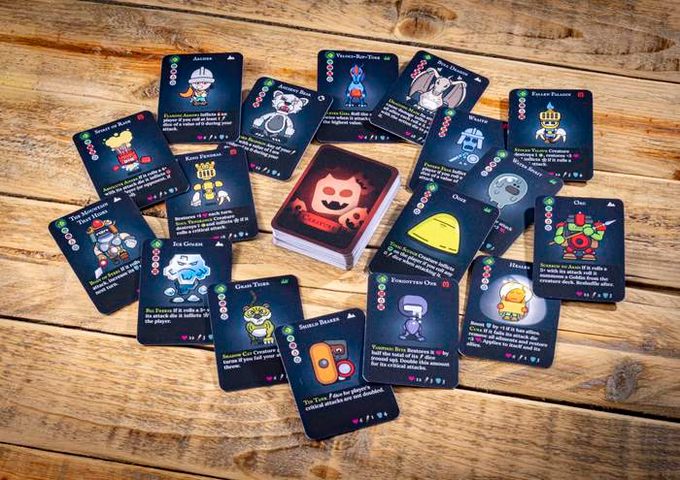
This principle of balancing power against resistance is a cornerstone of grand game design. It creates those heart-stopping moments that define our favourite tabletop sagas, from epic D&D campaigns to the strategic duels in classic card games like Magic: The Gathering. Understanding this concept is the first true step on any path to arcane mastery. That same spirit is behind TerraClash, a fantasy card and dice game for 1 to 6 players that you can print and play free.
Every spellcaster, whether a novice fumbling with their first cantrip or a legendary archmage, is defined by a number that measures the potency of their magic. This is your Spell Save DC, and to understand its calculation is to take the first step toward becoming a truly formidable force. It is less about complex mathematics and more about grasping the heart of your character.
The formula is built upon three mystic pillars.
So, the full calculation is a simple chant: 8 + Proficiency Bonus + Spellcasting Ability Modifier.
This simple diagram shows how these three elements weave together.

As you can see, each piece of the puzzle builds upon the last, combining to create that single, crucial number that determines how difficult your spells are to resist.
When you breathe life into a new character, this number sets the stage for how potent your magic will be from your very first spell. A typical level 1 adventurer often has a Proficiency Bonus of +2 and a primary ability score of 16 or 17, granting them a +3 modifier.
Using the formula (8 + 2 + 3), this results in a starting Spell Save DC of 13. Here in the UK, it’s quite common to see new players aim for a starting DC between 13-15, showing they are keen to make their caster as effective as possible from their very first quest. If you're curious about player habits, you can find more by exploring the full community data.
This focus on a single, defining number is a design philosophy we admire. It’s the kind of elegant mechanic seen in legendary deckbuilding games like Dominion or Slay the Spire, and we’ve thought about it a great deal while crafting our own game, TerraClash, where a single card’s power can completely alter the course of a duel.

In the realms of D&D, magic is no generic, one-size-fits-all force. It is deeply personal, a power that springs from the very soul of your character. To master your spell save DC 5e, you must first discover from whence your magic flows. Is it the razor-sharp Intellect of a Wizard, a power built piece by piece through years of study, poring over ancient tomes and unravelling arcane secrets?
Or perhaps your power flows from a deep well of Wisdom, like that of a Cleric or Druid. This is not magic learned from a book; it is an intuitive connection to a divine power or the raw, untamed spirit of the natural world. It is a power you feel in your very bones.
Then again, you might command magic through sheer force of will, a blazing Charisma that defines Sorcerers, Warlocks, and Bards. For them, magic is a part of their soul, an expression of their personality so potent it can bend reality. They do not just cast spells—they demand the world to change.
Pinpointing which of these three pillars your character stands upon is the first, most crucial step. Every spellcasting class in the game is tied to one of these core ability scores. It is not just about the numbers on your character sheet; it is about the entire flavour of your character's magic.
Whichever of these you command becomes the spellcasting modifier in your DC calculation. It’s fascinating how this plays out at the table. Here in the UK, many groups still love the classic method of rolling for stats, which can lead to a truly interesting mix of magical talent. You might see starting spell save DCs anywhere from 14 to 16, which completely shapes how a party approaches combat right from session one. You can discover more about how UK players approach character creation and the delightful chaos it adds to the game.
This idea—that your character's core identity directly fuels their power—is something we find truly inspiring. It is a foundational part of great tabletop design, and it's a principle we've woven into the strategic heart of our own deckbuilding game, TerraClash.

Let us now depart from the theoretical and journey to the battlefield, where your spell save DC 5e truly comes alive. This number is no mere ink on parchment; it is the invisible fortress your enemies must breach. It is the deciding factor in so many cinematic moments.
Imagine you have just unleashed a blistering Fireball into a horde of goblins. Your DC is the roaring challenge they must answer. If it is high, most are engulfed in flame, their attack faltering before it even begins. If it is low, you might merely singe a few as the rest scramble aside, cackling at your feeble effort. Every single point matters. It is the difference between a Bard's Tasha's Hideous Laughter leaving an Orc Warlord helpless with giggles or earning just a brief, unamused smirk.
Think of a Druid casting Entangle. With a solid DC of 16, the very ground erupts into a thorny prison, snaring a rampaging ogre and stopping it dead in its tracks. But with a DC of just 13, that same ogre might simply power through the grasping vines, barely slowed on its path to flatten your party's rogue. This is the real, tactical weight your magical power brings to every conflict.
This constant tug-of-war between your spell's power and a creature's resilience is what makes D&D combat so thrilling. Speaking as a Dungeon Master, we often build entire encounters around these numbers. For a mid-level party here in the UK, we'd typically expect to see average spell save DCs floating around the 15 to 17 mark. So, we shall design monsters with saving throws that give them a decent, but not guaranteed, chance to succeed. It keeps the tension high.
A high spell save DC doesn't just win fights; it forges legends. It’s the story of the warlock whose Fear spell sent an entire platoon fleeing, or the cleric whose Banishment saved a party from a rampaging demon with a single, undeniable command.
This core idea of pitting your power against a creature's defiance is a cornerstone of great game design. It’s a philosophy we’ve poured into our own card-based duelling game, TerraClash, because it creates that strategic depth that turns a simple dice roll into an epic saga. For Dungeon Masters looking to build these kinds of memorable fights, a well-made encounter builder for 5e can be an absolute godsend.
So, you have the formula memorised, but knowing how it works is just the beginning. The real quest begins when you start pushing that number higher. A caster’s entire career is, in essence, a quest for a better spell save DC 5e. So, how do we make our spells stick?
The most straightforward path is by levelling up. As you gain experience, you will earn Ability Score Improvements. Pouring these into your main spellcasting stat—be it Intelligence, Wisdom, or Charisma—is the most reliable way to make your magic more potent. Raising that core stat to a mighty 20 should be your highest priority.
But let us be honest, adventurer—the greatest tales are forged in the discovery of loot! The world is packed with powerful magic items waiting to be unearthed, and many of them can give your DC a serious boon.
Keep your eyes peeled for these treasures:
This constant search for improvement is the heart of any great fantasy adventure. It is much like building a deck in a trading card game, like our own TerraClash, where every single card choice shapes your path to victory. The same logic applies here; to become a legendary spellcaster, you must improve your strategic thinking and make wise choices about how you build your character.
https://www.youtube.com/embed/vN9aR2wKv0U
We have spent much time breaking down the nuts and bolts of your Spell Save DC 5e, but the true magic lies not in the calculation. It is in the stories you tell with it. That number on your character sheet is so much more than a target to be beaten; it is the very measure of your character’s influence on the world.
Think on this. A sky-high DC paints a picture of a legendary archmage, one whose very words can bend reality and leave lesser beings powerless to resist. On the other hand, a more modest DC might belong to a wily sorcerer who must be clever, using the environment and cunning positioning rather than just overwhelming magical force.
Great games, whether sprawling roleplaying adventures or tense, strategic card games, use these numbers to build suspense and forge truly unforgettable moments. The clash of power against defiance is where the best stories are born.
It is this very idea—this tension between power and resistance—that has been our guiding star while developing our own game, TerraClash. We are preparing to launch on Kickstarter very soon, and at its heart, it is a game built on the same principle: simple rules can create epic sagas. Every card you play is a test of will, just like every spell you cast in D&D.
So, may your spells always find their mark, and may the tales you weave around the table become the stuff of legend.
Even the most seasoned spellcasters have a query or two. I have heard these questions whispered in ancient libraries and bustling taverns, so allow me to grant you some straight answers for your own arcane adventures.
Absolutely, and it is a common fate for those who walk multiple paths by multiclassing. A classic example is the Wizard who dabbles in the divine by taking a few levels in Cleric.
Their Wizard spells will still use Intelligence to calculate their spell save DC, but for any Cleric spells they cast, they must use their Wisdom modifier instead. The golden rule is simple: the spell's original class determines which ability score you must use.
A "good" DC is a moving target that grows with your character's power. Think of it as a benchmark for your potency at each stage of your grand career.
Nay! A great many spells do not force a save at all. Instead, they require you to make a spell attack roll, pitting your arcane aim against a creature's Armour Class.
Your spell save DC only comes into play when a spell's description specifically says a target must make a saving throw. This creates a fine tactical choice – do you attempt a direct hit, or try to force a debilitating effect? It adds a layer of strategy, much like choosing between a direct-damage or a status-effect card in a duel. You can see a similar kind of thinking behind a powerful card like the Blood Moon magic card we have designed.
It is this kind of strategic depth that makes tabletop games so compelling. If you love the thrill of building a powerful character and making those clutch tactical choices, you should certainly keep an eye on TerraClash. Our Kickstarter is launching very soon, and we would be honoured for you to join our quest by visiting https://terraclash.co.uk.
TerraClash is a fantasy card and dice game for 1 to 6 players. Pick a hero, explore the lands, fight creatures and take on a final boss, solo or with friends.
TerraClash Lite is free to print and play. The full print and play game has 10 heroes and 194 cards, and the Kickstarter for TerraClash Digital, the game in your browser, is live until 22 November 2026.