Hark, adventurer, and draw near the forge of arcane knowledge. Today, we shall temper your understanding of one of the most devious spells known in the realms: Heat Metal.
This is no spell of brute force like a common Fireball. Nay, it is a tool of cunning and control, one that can turn an enemy's prized plate armour into a personal prison and their signature weapon into a burning curse.
Our journey begins with the core essence of this potent magic. Think of Heat Metal as a secret weapon, a tool that rewards clever thinking and strategic placement over raw power. Many a heavily armoured knight has been brought to their knees, not by a mighty axe, but by the relentless, searing magic radiating from their own protection.
Mastering this spell is akin to discovering a game-winning combination in a new deck of cards; it fundamentally changes how you approach a fight. Suddenly, you have access to tactical plays that can completely turn the tide of an encounter.
This guide will break down the mechanics, unveil creative uses that go far beyond the combat grid, and show you how to make even the most formidable foe regret their choice of equipment. By the end, you'll wield Heat Metal not just as a spell, but as a signature tactic that defines your character's ingenuity. It's this kind of tactical depth we cherish in all tabletop games, from sprawling campaigns like those in Dungeons & Dragons to the quick, strategic card battles found in other great adventures.
Before we delve deeper, here is a quick reference table for your grimoire.
This quick-reference table summarises the core mechanics of the Heat Metal spell for easy use during your Dungeons & Dragons campaigns.
| Attribute | Description |
|---|---|
| Casting Time | 1 Action |
| Range | 60 feet |
| Components | Verbal, Somatic, Material (a piece of iron and a flame) |
| Duration | Concentration, up to 1 minute |
| School | Transmutation |
| Attack/Save | None on initial cast; Constitution save on subsequent rounds for creatures holding/wearing the object |
| Damage | 2d8 fire damage |
This table is a fine start, but the true magic lies in the details. Let us explore what makes this spell tick.
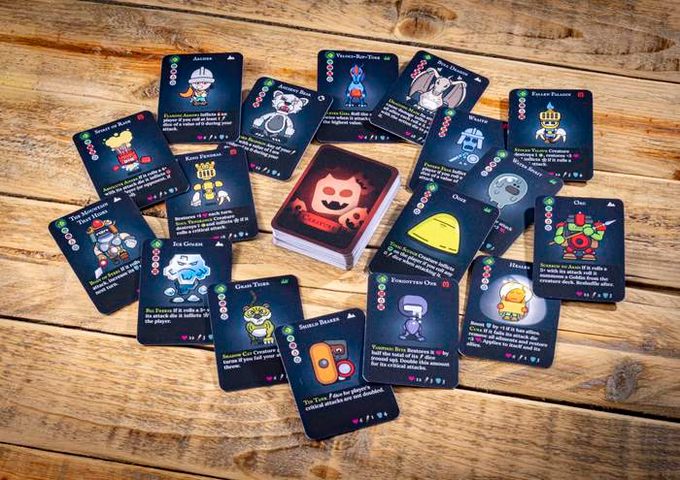
This comprehensive look will give you everything you need to use, and counter, this iconic spell. For players who relish smart, tactical decisions, mastering Heat Metal is a deeply satisfying experience. It echoes the thrill of building a perfect hand in a roguelite adventure. Speaking of new adventures, the realm of tabletop gaming is ever-expanding. Great quests are forged not only in ancient dungeons but also on the anvils of creativity, like the indie game TerraClash. If that kind of strategic gameplay excites you, consider following the TerraClash Kickstarter and join a new community of adventurers.
To truly feel the raw power of Heat Metal, you must look under the hood at how it works. This is no mere cantrip; it’s a 2nd-level transmutation spell, a real favourite for Bards and Druids who appreciate its cruel elegance. The concept is simple, yet utterly brutal.
You pick a manufactured metal object you can see within 60 feet—a bandit's scimitar, a city guard’s helm, or even the full plate armour on a hulking knight. The moment you finish the incantation, it begins to glow an angry, menacing red.
Any creature unlucky enough to be touching it is immediately seared for 2d8 fire damage. If they’re holding the object, like a weapon, they also have to make a Constitution saving throw or drop it in agony. The difficulty of that save is set by your spellcaster's own unique power level, which you can get to grips with in our guide to understanding your spell save DC in 5e.
The spell's true genius, though, is revealed when you target something someone is wearing. That knight clad in steel? They've nowhere to run. They automatically take the fire damage when you cast it, and the pain is so overwhelming they have disadvantage on all their attack rolls and ability checks. That simple penalty can neuter the most fearsome warrior on the battlefield, turning their greatest strength—their armour—into a personal torture chamber.
And it doesn't stop there. As long as you maintain concentration, you can use a bonus action on each of your turns to stoke the flames again, dealing another 2d8 fire damage. This constant, easy-to-apply damage makes Heat Metal one of the most brutally efficient spells for locking down a single, dangerous foe.
Ultimately, casting the spell comes down to a choice: do you want to force an enemy to drop their weapon, or do you want to cook them alive in their own armour?

It’s this tactical dilemma that makes the spell so satisfying. You're constantly weighing whether to go for quick control or sustained, debilitating damage. This kind of strategic thinking is exactly what makes tabletop gaming so compelling. It's the thrill found in legendary RPGs and in the carefully crafted decks of games like Slay the Spire or Gloomhaven: Jaws of the Lion. It is a fantastic time for new games to make their mark, and we eagerly await the stories that will be told through new indie projects launching on platforms like Kickstarter.
The wisest spellcasters know a spell's true power isn't just about how much damage it deals, but how many problems it can solve. Sure, cooking a knight in their own tinned suit is brutally effective, but Heat Metal is a masterclass in creative thinking. For a cunning adventurer, it's a key that can unlock a hundred different doors.
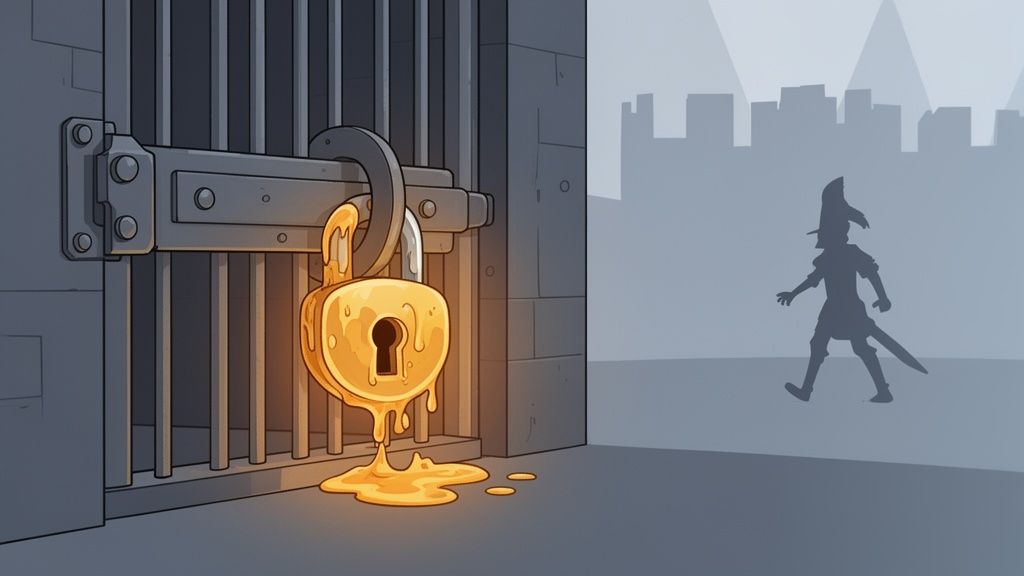
Try to think beyond the immediate clash of swords. Every manufactured metal object you come across is suddenly a tool you can manipulate or an obstacle you can dismantle. That barred gate with hinges thick enough to laugh at your rogue's lockpicks? A quiet word of magic and those hinges start to glow cherry-red, warping and groaning until the gate simply falls open.
This is the very heart of tabletop gaming, is it not? That moment where you think outside the box and your DM grins. It's a skill we sharpen in the depths of D&D dungeons and across the tables of strategic card games, where one simple card, played at just the right time, can completely dismantle an opponent’s grand plan.
Let us think bigger, more tactically. From a safe distance, you could sabotage a key part of an enemy siege weapon. Imagine melting a single, vital pin on a ballista moments before it's meant to fire. One subtle spell could ruin an enemy's entire assault before you even have to draw a weapon.
Perhaps your party just needs a distraction. Heating up a guard's unattended helmet from the shadows could send them into a panicked yelp, pulling everyone's attention away from where your rogue is slipping through a window.
Here are a few more whispers of inspiration:
When you start seeing every metal object as a piece of a puzzle, Heat Metal transforms from a simple damage spell into a legendary tool of trickery and control.
This kind of strategic depth is what keeps us coming back to fantasy games. It’s that same thrill players will get when they figure out a clever combination in a new deck-builder. If this sort of creative, tactical gameplay gets your adventuring spirit fired up, you should definitely follow the TerraClash Kickstarter campaign and get ready for a whole new kind of quest.

Anyone can learn Heat Metal, but making it sing? That is an art form. It’s not just about picking the spell; it’s about weaving it into your character's very being, creating combinations that leave your Dungeon Master speechless.
Finding those killer combos is one of the true joys of roleplaying. It’s that same spark you get when you draw the perfect hand in a new card game, knowing you're about to completely turn the tables. This is where a character build stops being just a list of features and starts to feel alive.
For a Bard, Heat Metal is less a weapon and more a finely tuned instrument of chaos. The College of Lore Bard, in particular, can be absolutely terrifying with it. Imagine this: you heat the enemy champion’s greatsword, and as they grit their teeth to hold on, you hit them with your Cutting Words.
By using a Bardic Inspiration die to slash their Constitution saving throw, you all but guarantee that blade will be clattering to the floor. It’s a beautiful, brutal marriage of magic and mockery that can take a major threat off the board without you needing to land a single hit.
Druids, on the other hand, turn Heat Metal into an inescapable nightmare. They are masters of battlefield control, and by pairing the spell with something that pins an enemy in place, they can force them to just stand there and cook.
A combo like that isn't just a clever move; it's a story. It's the moment everyone at the table remembers—how your foresight and mastery created an undeniable, spectacular victory.
Of course, keeping these devastating combos going means you must protect your concentration. The War Caster feat is practically essential, giving you advantage on those crucial Constitution saves when you take a hit. It's the key to making sure your fiery curse holds.
This love for deep, rewarding strategy is a huge part of what unites us as gamers. This passion for complex play is clear in the success of countless indie board games and Kickstarters. It is exactly this kind of enthusiasm for tactical play that gets people excited for new adventures like the deck-builder TerraClash, a game aimed at adventurers aged 12 and up.
Alright, let us step behind the screen for a moment. As a Dungeon Master, you are the architect of the world, but what do you do when one of your players gets really good with a spell that can derail your grand encounters? How do you challenge someone who's mastered Heat Metal without making them feel like you're just shutting them down?
The trick isn't to negate their strategy. That just feels cheap. The real art is in creating situations where pulling off their signature move feels like a hard-won victory. After all, any intelligent enemy who gets roasted alive once isn't going to make the same mistake twice. They're going to adapt.
This is what turns a basic fight into a story worth telling. Weaving encounters that react and evolve based on what your players do is what separates a good DM from a great one. If you want to dive deeper into this, our guide to building better 5e encounters is a great place to start.
Your villains aren't just sacks of hit points; they're meant to be survivors. Once they've seen a spell that turns their armour into a personal oven, they’ll start looking for answers. Let us grant them a few.
A truly memorable challenge doesn't shut down a player's power; it forces them to be even more creative. It asks, "Your trick is clever, but can you make it work here?"
This back-and-forth, this constant game of adaptation and strategy, is the very heart of what makes tabletop gaming so special. The appetite for deep fantasy games is booming, with so many players seeking rich, strategic experiences, from classic D&D sessions to innovative new deck-builders. It's a wonderful time to explore the vast world of tabletop and card games, especially those born from the passion of indie creators.
Mastering a spell like Heat Metal is a fantastic feeling, but it’s just the start. The world of tabletop gaming is huge, stretching way beyond the Forgotten Realms into all sorts of incredible settings and systems. That same creative spark you used to turn a simple cantrip into a fight-ending power move? That’s the magic that fuels this whole hobby. It's all about finding that one clever trick, that unexpected combo that leaves everyone at the table speechless.
So, why not see what else is out there? Dive into a new system, check out what passionate indie creators are building. If you get a kick out of outsmarting your foes with clever mechanics, you should definitely have a look at what’s brewing on platforms like Kickstarter. It’s where so many incredible new adventures get their start, backed by a community of players who live for tactical challenges and great stories.
Your next legendary tale might not be waiting in a spellbook, but in the shuffle of a deck or the roll of a die.
Exploring new games is an adventure in itself. If you're the kind of player who loves piecing together powerful combinations and thinking on your feet, the roguelite deck-building RPG, TerraClash, might be right up your alley. It offers a whole new arena to test your tactical genius. You could even support its development and be part of a new story right from the beginning.
Find out more about the journey of TerraClash on Kickstarter.
Every spell has its grey areas, and Heat Metal is no exception. Let us tackle some of the most common questions that pop up at the gaming table, so you can keep the action rolling without getting bogged down in rules debates.
This one’s a classic, right up there with the most creatively gruesome spell ideas. While I love the outside-the-box thinking, the answer is almost always going to be no.
The spell targets a "manufactured metal object". You could argue a filling or a gold tooth fits that description, but most DMs (myself included) would rule that once it's part of a creature's body, it's no longer a distinct object you can target. It's not like a helmet you can just take off.
Nay. The heat is pure magic, not a mundane campfire. The second the spell ends—either because your concentration breaks, the duration runs out, or someone hits it with Dispel Magic—the object instantly cools back to its normal temperature. There's no residual heat to deal with.
This is where the spell gets really interesting. It can affect something as tiny as a dagger, but its real power comes from targeting something big. Think about a full suit of plate armour.
Even though it’s made of dozens of individual plates, straps, and buckles, the game treats the entire suit as a single object. That’s what makes Heat Metal so devastating—it can turn an enemy's best protection into their own personal oven.
This kind of tactical thinking, finding the perfect synergy to turn the tables, is what makes tabletop games so brilliant. It’s the same thrill you get from discovering a killer card combo in a new deck-builder.
If you live for deep strategy and building powerful combinations, keep TerraClash on your radar. You can get ready for a fresh adventure by following the TerraClash Kickstarter and connect with a new community of tabletop heroes. Other great indie projects to watch on Kickstarter include games like Frosthaven and The Witcher: Old World.