Greetings, seekers of lore and masters of the arcane! Gather 'round the scrying pool, for tonight we delve into the sacred arts. The cleric spell list is a wellspring of divine power, a testament to faith, protection, and righteous fury in the realms of tabletop legend. These incantations are more than mere game mechanics; they are the threads of fate, capable of turning the tide of a desperate battle or mending the most grievous of wounds. From the whispered prayer that snatches an ally from death's door to the radiant burst that purges shadow, each spell tells a story of a deity's favour and a cleric's unwavering resolve.
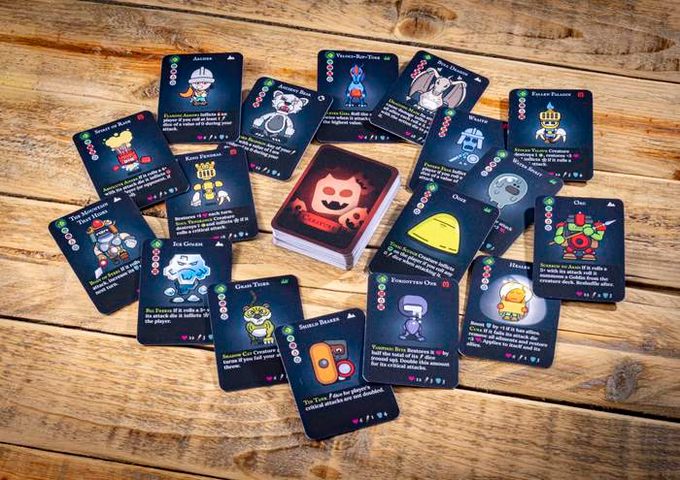
As we journey through this curated grimoire, think not only of their classic applications in grand adventures like Dungeons & Dragons, but how their core essence—healing, buffing, control, and righteous damage—can be distilled and woven into new tactical tapestries. These fundamentals are cornerstones of fantasy gaming, providing endless inspiration for crafting powerful strategies in deckbuilding games, from established titans of the genre to emerging worlds like our own journey, TerraClash. The path of the cleric is one of wisdom and foresight, ideal for any adventurer aged 12 and up.
This guide is your beacon, whether you are a seasoned high priest seeking fresh perspectives or a newly ordained acolyte. We shall unseal the core cleric spell list, exploring ten pillars of faith-based power that have defined the class for generations. Prepare to channel this ancient knowledge into your next quest. Let the ritual begin.
A whisper on the wind, a mote of divine light travelling from your lips to a wounded comrade’s ear, Healing Word is perhaps the most essential utterance in any cleric’s vocabulary. This isn’t a grand, tide-turning wave of healing; rather, it's a swift, precise intervention that can snatch an ally from the jaws of oblivion without costing you the momentum of battle.
At its core, Healing Word restores a small number of hit points to a creature you can see within 60 feet. Its true power, however, lies not in the amount it heals, but in its casting time: a mere bonus action. This means you can mend a wound and still unleash a cantrip, make an attack, or take the Dodge action, maintaining both offensive pressure and defensive support. It's the ultimate tool for action economy, a cornerstone of any effective cleric spell list.
Think of Healing Word as triage on the battlefield. It’s not for topping off a healthy fighter; it’s for getting a fallen companion back on their feet or preventing a wizard from taking a fatal blow. Because it is cast as a bonus action, its uses are incredibly versatile.
This spell’s efficiency is what makes it a must-have. While larger healing spells have their place, the ability to heal at a distance as a bonus action is a game-changer, solidifying the cleric's role as the indispensable heart of the party.
If Healing Word is a whisper of life from afar, Cure Wounds is the direct, hands-on channelling of divine energy, a potent act of restoration that requires you to be at the heart of the fray. This spell represents the classic image of a cleric laying hands upon a fallen comrade, a warm, golden light knitting flesh and bone back together.
At its core, Cure Wounds restores a more substantial number of hit points to a creature you touch. The trade-off for this increased healing is its casting time: a full action. This makes it a more deliberate choice than its bonus action counterpart, demanding you forsake an attack or other significant action. It's a foundational spell in any cleric spell list, offering reliable and direct healing when it's most needed.
Think of Cure Wounds as the dedicated healing intervention. It’s for when an ally has taken a significant blow and the minor mending of Healing Word won't suffice. Its use requires careful positioning and a keen sense of battlefield timing.
This spell’s raw healing output solidifies its place. While requiring you to be close to danger, its ability to deliver a significant health boost in a single action makes it an indispensable tool for any cleric dedicated to preserving the life of their allies.
A prayer of fortitude, a shimmering aura of divine favour that settles upon your allies, Bless is the quiet affirmation that can turn the tide of a desperate battle. It is not a spell of explosive power or dramatic healing, but a subtle yet profound enhancement, a divine nudge that guides an ally’s sword-stroke to its mark or steels their resolve against a dragon's frightful presence.
At its heart, Bless is a simple boon: you choose up to three creatures within 30 feet, granting each a d4 to add to their attack rolls and saving throws. This seemingly small bonus is a masterclass in probability, consistently turning near-misses into solid hits and failed saves into narrow successes. It requires concentration, a testament to its ongoing divine power, and lasts for up to a minute, often the entire duration of a frantic skirmish. It’s a core component of any support-focused cleric spell list, empowering the entire party.
Think of Bless as the foundation upon which victory is built. Casting it at the very beginning of a significant encounter is one of the most impactful opening moves a cleric can make, setting the stage for your party's success before the first blow is even struck.
More than a mere cantrip, yet requiring no concentration, Spiritual Weapon is the cleric’s ever-present threat on the battlefield. It is an echo of your divine will, a phantom blade or hammer forged from pure faith that strikes where you command. This spell summons a floating, spectral weapon that fights alongside you, an undeniable asset for any cleric looking to balance their sacred duties of mending and smiting.

Functionally, Spiritual Weapon materialises in a space you choose within 60 feet. For its duration, you can use a bonus action on each of your turns to move it and make a melee spell attack against a creature within its reach. Critically, it does not require concentration. This frees you to maintain other powerful spells like Bless or Shield of Faith, making it a cornerstone of efficient spellcasting and an essential part of any cleric spell list.
Consider your Spiritual Weapon an extension of your presence, a loyal combatant that demands no resources beyond your initial casting. It's a persistent source of damage that complements your primary actions, allowing you to control the flow of battle from a safe distance.
This spell’s ability to provide consistent, bonus-action damage without needing concentration secures its place as a top-tier choice. It allows a cleric to be a healer, a buffer, and a damage-dealer all in the same round, embodying the versatile power of the divine.
With a stern utterance and a pointed finger, the cleric can channel divine authority to seize an enemy’s will, freezing them in place. Hold Person is not a spell of brute force, but of absolute, paralysing control. It’s a divine edict that temporarily strips a foe of their ability to act, turning a fearsome warrior into a helpless statue, a testament to the cleric's power to command the battlefield.
At its core, Hold Person forces a humanoid creature within 60 feet to make a Wisdom saving throw. On a failure, they are paralysed for the duration. This condition is utterly debilitating: the victim cannot move or take actions, and any attack roll against them from within 5 feet is a guaranteed critical hit. This spell is a powerful tool on the cleric spell list, capable of neutralising a key threat and creating a decisive opening for your allies.
Think of Hold Person as the divine answer to a single, high-value target. It's not for thinning a horde of goblins; it’s for stopping the bugbear chieftain in their tracks or silencing a dangerous enemy spellcaster before they can unleash their own devastating magic. Its strategic value is immense when applied correctly.
The ability to completely incapacitate a humanoid opponent is a signature cleric ability, showcasing that their divine connection grants them authority over not just life and death, but free will itself.
Where some divine power mends flesh, other miracles are needed to cleanse the soul and purify the body of insidious afflictions. Lesser Restoration is that precise, sacred intervention, a touch of grace that purges debilitating maladies which hit points alone cannot measure. It is the spell that reminds the party that some wounds are more than skin deep, affecting the mind and spirit.
At its core, Lesser Restoration is a targeted ablution, requiring only an action and touch to end a single disease or one of a host of crippling conditions. Whether your ally is blinded by a flash of foul magic, paralysed by a ghoul's chilling touch, or succumbing to a venomous sting, this spell is the definitive answer. It doesn't heal damage; it restores function, returning a compromised hero to full fighting effectiveness. This makes it an essential tool on any cleric spell list, addressing threats that no amount of healing can fix.
Think of Lesser Restoration as your specialised tool for neutralising an opponent's most cunning tactics. Many creatures rely on conditions to gain the upper hand, and being able to remove them on demand can completely dismantle their battle plan.
This spell’s power lies in its ability to solve complex problems with a simple, decisive action. It ensures that when the enemy resorts to underhand tactics like poison and paralysis, you have the divine authority to say "no".
A shimmering whirlwind of divine energy coalesces around you, forming spectral figures of righteous wrath. Spiritual Guardians is not a subtle spell; it is a declaration of holy ground, an area of denial that punishes any foe foolish enough to approach. This spell transforms the cleric from a mere backline supporter into a formidable, mobile bastion of control and damage.
At its core, Spiritual Guardians summons ethereal protectors that swirl in a 15-foot radius around you. These are not static sentinels; they move with you, creating a persistent zone of danger. Any hostile creature that enters this area for the first time on a turn or starts its turn there is assailed, suffering 3d8 radiant or necrotic damage (your choice). This spell's brilliance lies in its dual nature: it’s a personal shield that punishes aggressors and an offensive tool you can actively move into enemy ranks.

Think of Spiritual Guardians as your personal vortex of pain. Its tactical application is profound, turning chokepoints into meat grinders and open fields into treacherous terrain for your enemies. Maintaining concentration is key, so positioning becomes paramount.
This spell is a cornerstone for any cleric wanting to take a more active role in controlling the flow of combat. Its ability to deal consistent, area-of-effect damage while you remain mobile makes it one of the most efficient and feared spells in your divine arsenal.
There are moments when healing is not enough, when a warrior's shield splinters for the last time or a sorcerer’s incantation is cut short by a fatal blow. In these dire moments, when death itself has claimed an ally, the cleric can offer the ultimate defiance. Revivify is not merely a spell; it is a miracle in miniature, a direct refusal to accept defeat, pulling a soul back from the brink just moments after it has passed.
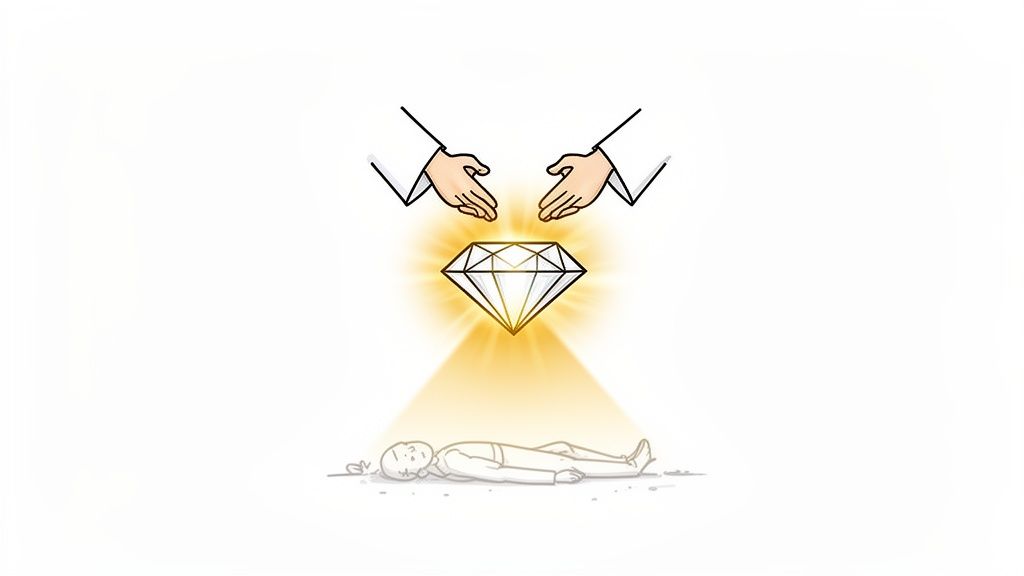
This powerful incantation returns a creature who has died within the last minute to life with a single hit point. Its casting time is one action, but it comes with a material cost: diamonds worth a significant sum. This cost is not trivial, representing the divine price of reversing fate. It serves as a powerful reminder of the cleric’s role as a conduit for forces that can challenge the very laws of life and death, making it an essential, if costly, tool in any cleric spell list.
Think of Revivify as your party's ultimate insurance policy. Its existence changes the tactical calculus of any dangerous encounter, allowing for bolder strategies and more heroic sacrifices. Having it prepared means the difference between a tragic end and a legendary comeback.
The power to snatch a soul from the afterlife solidifies the cleric’s place as the spiritual anchor of any adventuring party. While other spells prevent death, Revivify is the one that looks it in the eye and says, "Not today."
Where divine power gives, it can also take away. Dispel Magic is the cleric’s answer to an enemy’s arcane machinations, a sharp, decisive negation of hostile enchantments and wards. It is a pronouncement of authority, peeling back the layers of magical artifice to reveal the mundane reality beneath, ensuring that no foe can hide behind their mystical shields for long.
Functionally, Dispel Magic allows you to choose one creature, object, or magical effect within 60 feet and end a single spell of 3rd level or lower affecting it. For higher-level spells, you must make a spellcasting ability check to break the enchantment. It is a tool of pure magical unravelling, a scalpel used to excise a specific troublesome effect, making it an indispensable part of any prepared cleric spell list when facing spell-slinging adversaries.
Think of Dispel Magic as the ultimate magical countermeasure. It's not about raw power but about precise, strategic nullification. The key is knowing when and what to dispel to cripple your opponent’s strategy and turn the tide of battle in your favour.
This spell is the cleric's statement that the gods’ power supersedes the fleeting tricks of mortal mages. In a world woven with magic, having the ability to unweave it is a profound advantage, securing the cleric's role as a master of both divine creation and abjuration.
When the tide of battle turns and an indispensable champion falters, a cleric calls upon the apex of their restorative power. Heal is not a mere mending of flesh; it is an overwhelming surge of divine energy, a pure, concentrated act of life-giving force that can wrench an ally from the very clutches of death and return them to the fight, revitalised and resolute.
This 6th-level spell is the ultimate expression of clerical healing. Upon casting, you touch a creature and restore a staggering 70 hit points. This isn't a roll of the dice; it is a guaranteed, monumental infusion of vitality. Furthermore, this potent magic also ends blindness, deafness, and any diseases affecting the target. On the cleric spell list, Heal stands as a definitive statement that you, and you alone, decide when a companion's story ends.
Think of Heal as the ultimate reset button for a single, crucial ally. It's not a spell you cast lightly; its power is reserved for moments of true desperation when anything less would mean catastrophic failure. Holding this spell in reserve is a strategic gambit that can turn a seemingly lost cause into a legendary victory.
While its single-target nature means it won't save a party on the verge of a total wipe, its sheer potency on one individual makes it one of the most powerful and iconic healing spells in any cleric’s divine arsenal.
| Spell | 🔄 Complexity | ⚡ Resource requirements | 📊 Expected outcomes | 💡 Ideal use cases | ⭐ Key advantages |
|---|---|---|---|---|---|
| Healing Word | Low — bonus action, no concentration | 1st-level slot, 60 ft, no material cost | Small instant heal (1d4 + mod) for one target | Emergency battlefield rescue at range | Preserves action economy; ranged quick heal |
| Cure Wounds | Low — 1 action, touch | 1st-level slot, touch, (described as ritual-capable) | Moderate single-target heal (1d8 + mod) | Out-of-combat recovery and post-encounter heals | Higher per-cast healing than bonus-action heals |
| Bless | Moderate — 1 action, concentration up to 1 min | 1st-level slot, 30 ft, affects up to 3 creatures | Party-wide +1d4 to attacks and saves for duration | Pre-combat buff for coordinated fights | Multiplicative team benefit; boosts hit/save rates |
| Spiritual Weapon | Moderate — bonus-action attacks, concentration | 2nd-level slot, 60 ft, no extra slot per attack | Consistent bonus-action melee spell attacks each turn | Sustained damage while keeping main action free | Reliable ongoing damage without spending slots |
| Hold Person | Moderate — 1 action, concentration, save-based | 2nd-level slot, 60 ft, Wisdom save target | Paralysis on failed save (up to 1 min, saves each turn) | Neutralizing key humanoid threats or bosses | Can completely remove a humanoid threat temporarily |
| Lesser Restoration | Low — 1 action, instantaneous, no concentration | 2nd-level slot, touch | Removes one condition or cures poison/disease | Removing crippling debuffs mid-encounter or after | Instant condition removal; stacks with other spells |
| Spiritual Guardians | High — concentration, area placement and upkeep | 3rd-level slot, 15-ft cube, concentration | Persistent area damage (3d8 radiant, Dex save half) each round | Area denial against groups and controlling chokepoints | Sustained multi-target damage and battlefield control |
| Revivify | Low — 1 action, instantaneous, no concentration | 3rd-level slot + 300 gp diamond component, within 1 minute of death | Returns dead creature to 1 HP if cast in time | Emergency resurrection immediately after death | Prevents permanent character loss; tactically decisive |
| Dispel Magic | Moderate — 1 action, no concentration, requires target knowledge | 3rd-level slot, 60 ft, works on creature/object/effect | Ends one spell or magical effect (single target/effect) | Removing enemy buffs or dangerous magical effects | Extremely flexible magic removal; problem-solving utility |
| Heal | High — 1 action, instantaneous, no concentration | 6th-level slot, 60 ft | Massive instant heal (70 HP) + removes exhaustion/conditions | Clutch saves in endgame boss fights | Huge HP restoration and condition cleansing |
The final pages of this grimoire have been turned, but your own story is just beginning. We have journeyed through the divine tapestry of the cleric, exploring spells that mend flesh, bolster spirits, and hold back the encroaching darkness. From the swift, life-saving utterance of Healing Word to the battlefield-defining presence of Spiritual Guardians, you’ve seen how each incantation serves a purpose, a vital piece in the grand, strategic puzzle of adventure.
The cleric spell list is far more than a simple catalogue of magical effects. It is a philosophy of play, a testament to the power of support, strategy, and divine intervention. Mastering these spells means understanding the flow of battle, anticipating the needs of your allies, and knowing precisely when to unleash your power to turn the tide. This is a truth that echoes across countless gaming tables, whether you are rolling dice in a shadowy dungeon or carefully playing a card to counter an opponent’s move in a heated duel.
The essence of the cleric, the archetypal healer and protector, is a cornerstone of fantasy lore. You can see its influence woven into the fabric of other great games. Think of the strategic resource management in board games like Gloomhaven, where a single well-timed healing ability can prevent a party’s collapse. Consider the deckbuilding mastery required in card games, where curating a deck with defensive and restorative cards is key to surviving your opponent's onslaught.
These principles of support and control are universal. The spells we've discussed, like Bless and Hold Person, aren't just entries in a rulebook; they represent fundamental tactical concepts:
The greatest clerics understand that true power lies not in the spells they cast, but in the moments they choose to cast them. Their wisdom is their greatest weapon, their faith an unbreakable shield.
As you move forward, let this guide serve as your foundation. Do not merely memorise the mechanics of these spells; instead, internalise their strategic purpose. When you build your next character or assemble your next deck, think like a cleric. Ask yourself: How can I protect my allies? How can I disrupt my opponent’s plans? Where is the fulcrum of this battle, and how can my power shift it in our favour?
The world of tabletop gaming is a vast, ever-expanding cosmos, filled with incredible stories waiting to be told. From long-established sagas to thrilling indie projects seeking champions on platforms like Kickstarter, there has never been a better time to be a player. The skills you hone as a cleric, a protector, and a strategist will serve you well, no matter which world you choose to explore next. Carry this knowledge with you, and may your dice roll true and your cards always be in your favour.
The divine power and strategic depth of the cleric are core inspirations for the mechanics we are crafting for TerraClash. If the art of healing, buffing, and controlling the battlefield resonates with you, keep a watchful eye on our progress. A Kickstarter campaign will be launching very soon. Discover how these timeless archetypes are being reborn in a new world of strategic card combat at TerraClash.