Hark, adventurer, and listen close! When you conjure visions of Dungeons & Dragons, what grand tapestries unfold in your mind? Is it the heart-pounding clash of steel against a dragon's scale? The arcane sizzle of a fireball consuming a goblin warren? The terrifying roar of a manticore unleashing its fury? These are the very sounds of legend being forged.
At the core of every mythic confrontation lie the Dungeons & Dragons damage types. It is a simple truth, yet mastering its subtleties is what separates a mere sword-swinger from a true hero of the realm. In the 5th Edition of this grand game, there are 13 official damage types, and all fall under two great banners: the physical and the mystical.
Every swing of an axe and every whispered incantation tells a story on the battlefield. But heed this wisdom: not all harm is created equal. A skeleton, mindless and brittle, may not care for a dagger's prick, but it fears the holy might of a cleric's mace. A fire elemental will laugh as a wizard's Fire Bolt washes over it, but it will not be so smug when a barbarian's maul descends.
This guide will illuminate the fundamental forces that dictate every conflict. Grasping the difference between a mundane blade and a bolt of pure magic is the first step on the path to tactical mastery.
Think of it as learning the grammar of glorious battle. Once you know the rules, you can begin to scribe your own epic tales of victory. This knowledge is not just for the players at the table; it is the secret lore that allows a Dungeon Master to weave truly memorable and challenging encounters.
In the age of ancient scrolls, when D&D first emerged from the mists of 1974, things were simpler. Damage was a straightforward affair of striking foes with sharp or pointy objects—the stuff of classic medieval brawls.
But as the game's world expanded, so too did its lore. The system evolved to encompass the incredible variety of threats adventurers might face. We were gifted with fire, acid, necrotic energy, psychic assaults, and more, which blossomed into the rich tactical landscape we explore today. This grand journey has led us to the 13 distinct damage types that define 5th Edition, giving players across the realms a massive arcane toolbox for strategic thinking.
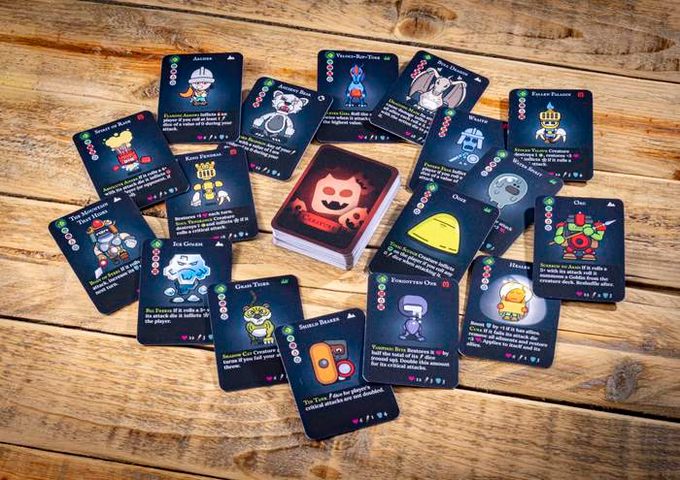
This core idea of "the right tool for the right job" is a massive part of what makes tabletop gaming so compelling, from sprawling roleplaying sagas to the intricate card duels of games like Magic: The Gathering or Gloomhaven. It’s a philosophy we've woven into the very heart of our own game, TerraClash. If you are just embarking on this amazing hobby, our guide on D&D for beginners is the perfect place to find your bearings.
Let us get to the heart of the matter. At the highest level, every single hit point you lose in D&D comes from one of two fundamental sources. This is the bedrock upon which all combat strategy is built.
Below is a quick table summarising these two core categories.
| Damage Category | Description | Common Examples |
|---|---|---|
| Physical | Represents the raw, kinetic force of physical impacts and wounds. It's the straightforward, brutal stuff of this world. | Swords, arrows, claws, fists, falling rocks. |
| Magical/Elemental | Encompasses all other forms of harm, from the raw power of the elements to supernatural and otherworldly energies. | Fireball, lightning bolt, poison, psychic whispers. |
Understanding this split is your first and most important step. Everything else—resistance, vulnerability, immunity—stems from this basic distinction between a punch to the face and a blast of arcane energy.
If you're interested in the "why" behind these mechanics, it's fascinating to look into the broader principles of game design that inform systems like this.
Listen closely, adventurer, and you'll hear the song of steel on the battlefield. It’s a language older and more immediate than any arcane chant or divine prayer. This is the world of Physical Damage—the brutal, tangible force that grinds bone, splits shields, and tears flesh. It’s the honest truth of a warrior's axe and the savage reality of a monster's claws.
In the grand scheme of D&D, the physical trio of Bludgeoning, Piercing, and Slashing damage is the bedrock of most fights. But these aren't just labels on a character sheet; they are tactical tools. A hammer does not persuade a gelatinous cube the same way a rapier does. Knowing that difference is the first true step from being a brawler to becoming a master of the battlefield.
Picture the thud of a warhammer caving in a bandit's helmet or the satisfying crunch as a mace smashes a skeleton's skull. That's Bludgeoning damage. It’s the raw power of blunt trauma—crushing, shattering blows that don't cut or poke but simply break whatever's underneath. It’s the weapon of choice when you're facing something brittle and unyielding.
Many creatures of the night are practically begging to be struck by something heavy. Take the humble skeleton. Its bony frame might deflect a sword or an arrow, but it shatters into a pile of dust under the focused impact of a maul. This simple choice transforms your weapon selection into a strategic masterstroke, a core concept that also informs the tactical depth in the world of TerraClash.
As a Dungeon Master, the monster's stat block is your grimoire. When you see a creature listed with "Vulnerability to Bludgeoning damage," it’s a massive clue for the party’s cleric or barbarian. It is an open invitation to put down the sword, pick up a mace, and start doubling the pain.
This is precisely why getting to grips with the different kinds of dnd martial weapons is so important for any player who wishes to be more than just a damage dealer.
Now, shift your focus. Imagine the clean, sharp thwack of an arrow finding its mark, or the deadly lunge of a spear slipping past an enemy's guard. You are now thinking in terms of Piercing damage. Unlike the wide, crushing force of a hammer, piercing attacks are all about focus. They are designed to punch through armour, hide, and flesh to get at the squishy, vital bits inside.
This is the preferred language of archers, rogues, and nimble duelists. Many huge, thick-skinned beasts like dragons or giant boars might just shrug off a glancing blow from a sword. But a well-aimed arrow or a precise rapier thrust can bypass that tough exterior entirely. It’s a classic tactical lesson: when faced with a walking tank, sometimes going through the armour is smarter than trying to smash it.
Finally, let us speak of the sweeping arc of a greatsword or the vicious bite of a scimitar. This is Slashing damage. It’s the art of the sharpened edge, a force meant to sever muscle, tendon, and limb. We're talking deep cuts and grievous wounds, leaving bleeding gashes where solid flesh used to be.
This type of damage is a fantastic tool against creatures with soft, unarmoured bodies. A troll’s famous regeneration, for instance, is best stopped with fire or acid. But lopping off an arm with a well-swung axe is a very direct, and very satisfying, way to reduce its immediate threat. Likewise, hacking through the thick vines of a shambling mound or slicing the tentacles off a kraken calls for the clean, shearing force that only a good blade can provide. When you start thinking this way, combat ceases to be a simple exchange of hit points and becomes a dynamic puzzle to be solved.
Right then, let us move beyond the simple, satisfying crunch of a hammer on bone. We are stepping away from the purely physical and into the crackling, shimmering world of magical damage. This is where the true power lies, the stuff that weaves the very fabric of the multiverse together and tears it apart.
When you are a spellcaster, an alchemist, or a channeller of the gods, your weapons aren't just steel and wood. They are the raw forces of creation and destruction. Understanding these ten magical damage types is the difference between a novice hedge wizard and a true archmage. It's about knowing what to throw at a demon, what will sizzle a troll, and what might just tickle a golem.
Every adventurer, from the grizzled veteran to the fresh-faced rookie, understands the classic elements. They're the building blocks of most magical arsenals for a good reason: they get the job done.
Fire: You can’t go wrong with a classic. The roaring inferno of a Fireball or the gout of flame from a red dragon’s maw is the very definition of magical destruction. Fire is all about consumption, and it’s brilliant for clearing out swarms of weaker enemies or, most famously, stopping a troll's regeneration dead in its tracks.
Cold: The perfect opposite to fire's explosive fury. Cold damage is a creeping, strength-sapping chill that feels utterly relentless. Think of a ghost's paralysing touch or the beautiful, deadly crystals of a Cone of Cold. It’s fantastic for slowing things down, shattering brittle objects, and giving fiery creatures a very bad day.
Lightning: This is raw, chaotic energy. A Lightning Bolt tearing through a tightly packed column of guards is one of the most satisfying sights for any wizard. It’s a sudden, shocking burst of power that arcs and jumps, and it’s especially nasty for anyone lumbering around in heavy metal armour.
This trio is the bedrock of elemental magic. They are straightforward on the surface, but a clever player can find all sorts of tactical uses for them.
Not all magic is a flashy explosion of light and sound. Some of the most effective damage types are those that work away quietly, dissolving and corrupting their targets from the inside out. That’s where Acid and Poison come in.
Acid is the great equaliser. It does not care how tough you are; it just dissolves. The bubbling spray from a black dragon or a well-aimed alchemist’s vial can melt through armour, stone, and skin. Its ability to permanently reduce a knight's Armour Class makes it one of the most feared damage types for heavily-armoured foes.
Poison, on the other hand, is a far more personal attack. It's a toxin coursing through the bloodstream, sickening and weakening from within. The bite of a giant spider or the sting of a wyvern doesn't just chip away at hit points; it often inflicts the dreaded Poisoned condition, giving enemies a massive disadvantage on their attacks. It's a slow, debilitating way to win a fight.
Now we delve into the big stuff: the fundamental forces of life and death. Radiant and Necrotic damage are not just elements; they are cosmic principles clashing on the battlefield.
Radiant damage is the pure, searing light of the heavens. It's the power wielded by celestials, paladins, and clerics fighting for a divine cause. This stuff is absolute poison to the undead, burning through zombies, skeletons, and vampires like sunlight through mist. A paladin's Divine Smite or a cleric's Guiding Bolt is often the only thing standing between the party and a horde of ghouls.
On the other side of the coin, Necrotic damage is the chilling touch of the grave. It's an unholy energy that withers living tissue, saps vitality, and mimics the slow decay of death. A wight's life-draining touch is a classic example that can leave a hero permanently weaker. It is the signature damage type of liches, necromancers, and all things that lurk in the dark.
Finally, we have the damage types that often break the rules. These are the esoteric energies that bypass armour and conventional defences entirely, making them incredibly reliable tools in a spellcaster's grimoire.
Psychic damage is not a blow to the body, but a direct assault on the mind. It’s a mental scream of pure terror and pain, delivered by horrors like the mind flayers or aboleths. Very few creatures have a thick skull in the metaphysical sense, making this an exceptionally potent and terrifying form of attack.
Thunder damage is all about concussive force. It’s not the lightning, but the deafening boom that follows it. A spell like Thunderwave doesn't just hurt people; it shoves them backwards with a raw sonic shockwave that can rattle bones and blow out eardrums. It's pure, brute-force sound.
What is Force Damage?
Force damage is, simply put, pure, unfiltered magic. It is raw arcane energy given a tangible form. The most famous example is, of course, Magic Missile—the spell that just works. It strikes without fail and deals damage that almost nothing in the entire multiverse is resistant to. When you absolutely, positively must damage something, Force is your truest friend.
Getting the hang of these magical types is about more than just picking the spell with the biggest damage dice. It's about thinking like a monster hunter, knowing your enemy's weaknesses, and having the right tool for the job. Of course, none of this matters if your spells can't land, which is why knowing how to calculate your spell save DC in 5e is the first and most important step for any aspiring caster.
Knowing the names of spells and the different ways a sword can cut is but the beginning. The true art of combat in D&D lies in understanding how damage actually lands. This is where the great trinity comes into play: Vulnerability, Resistance, and Immunity. Grasping these concepts is what turns a simple dice-rolling slugfest into a tactical puzzle worthy of the gods.
These three rules are like a secret language between the Dungeon Master and the players. They are the clues, warnings, and golden opportunities woven into a creature’s very being. For any adventurer who wishes to see the next sunrise—and for any DM who wants to build a truly memorable challenge—learning to speak this language is non-negotiable.
Picture this: your party squares off against a fearsome Ice Devil, a creature straight from the frozen layers of the Nine Hells. It scoffs at your barbarian's axe and just shrugs off the cleric's holy light. Then, the wizard steps up, mutters a few words, and lobs a Fireball into its face. The devil doesn't just get singed; it screams in agony as the flames explode with an unnatural, devastating force.
That, right there, is Vulnerability.
A creature that is vulnerable to a certain type of damage takes double the damage from it. This is not just a minor weakness; it's a critical, built-in flaw in its very nature.
As a Dungeon Master, giving a creature a vulnerability is one of your most powerful storytelling tools. It says something important about the monster. A scarecrow’s vulnerability to fire just makes sense, reinforcing the fact it is made of dry straw. It is a fantastic way to reward players for thinking logically and preparing for the threats they know they’ll face.
Now, let us flip the script. The party has delved into the heart of a volcano to face a colossal Red Dragon. The wizard, still riding high from their success with the Ice Devil, hurls another Fireball. This time, the dragon barely even seems to notice. The flames just wash over its crimson scales like a warm breeze. It has seen fire before, and it is not impressed.
This is Resistance.
By far the most common of the three, Resistance means a creature takes half the damage from that specific source. Think of it as a natural toughness or an in-built magical defence that just deadens the impact of an attack.
Resistance is a great mechanic because it forces the party to switch things up. If your main damage-dealer is a wizard who loves throwing fire, a fire-resistant foe suddenly makes everyone else’s abilities far more important.
Let us go back to that Red Dragon. The wizard, getting frustrated, decides to go all-out with their most potent fire spell, Meteor Swarm. The cavern itself shakes as molten rock rains down from the ceiling. The dragon just stands there in the middle of the inferno, completely unharmed. Not a single scratch.
That is the ultimate defence: Immunity.
A creature with immunity to a damage type takes zero damage from it. End of story. The attack is completely nullified. This is not just being tough; it is a fundamental truth about what the creature is. A fire elemental is not just resistant to fire; it is fire. You cannot burn something that is already flame itself.
This whole game of matching the right attack to the right weakness is the absolute cornerstone of great D&D combat. It is what elevates encounters beyond a simple brawl, turning them into intricate puzzles where knowing your enemy is just as vital as having a sharp sword. It's a design philosophy we're passionate about, ensuring that in worlds like TerraClash, every card you play and every decision you make carries real strategic weight, rewarding players who take the time to learn the true nature of their foes.
As Dungeon Masters, we are the keepers of lore and the weavers of fate. We know a secret truth that adventurers often forget: damage is so much more than a number you subtract from a health pool. The different dnd damage types are colours on our narrative palette, powerful tools we can use to paint a richer, more vibrant world. A creature's damage profile is its autobiography—it tells a story of its origin, its nature, and its place in the grand ecosystem of your campaign.

Think about the tales your monsters tell. A plague-ridden swamp just feels more insidious when its giant insects and shambling mounds deal persistent Poison damage. An ancient, holy tomb becomes genuinely menacing when its spectral guardians smite intruders not with simple force, but with searing Radiant energy. The very flavour of the encounter changes completely.
This careful selection transforms a simple combat encounter into a living part of your saga. A demon's fiery claws tell a very different story than the mind-bending whispers of a fey creature; one speaks of brute, elemental chaos, the other of subtle, psychological terror.
Your world's lore should breathe through its threats. By thoughtfully assigning damage types, resistances, and vulnerabilities, you create memorable encounters that feel deeply connected to the environment. This does more than just make a fight interesting; it pushes players to investigate, prepare, and truly strategise.
This approach makes the world feel consistent and real. When the mechanics support the narrative, players can't help but become more invested. They start asking the right questions: "What kind of beasts live in this cursed forest?" or "Should we stock up on holy water before we dare enter the vampire's crypt?"
It's fascinating how this evolution in game mechanics has had a real impact beyond the gaming table. The formalisation of diverse damage types in 5th Edition created whole new ways for players to engage with the game. In the UK, for example, data from hobby game market researchers shows that revenue from D&D-related accessories—things like spell cards and thematic miniatures—grew by approximately 40% between 2014 and 2023. This growth spurt lines up perfectly with the rise of the current ruleset. You can dig into more player data and its implications in Dungeon Vault's analysis of the global D&D community.
By embedding narrative clues within a monster's mechanics, you turn combat from a test of strength into a test of wisdom. The players' victory feels earned not just through powerful dice rolls, but through cleverness and observation.
This philosophy of intertwining story and strategy is a guiding principle for us. In any well-crafted game, whether it's a sprawling D&D campaign or a tight deck-building experience like TerraClash, the "why" of an attack should be just as compelling as the "how much." It’s what transforms a simple game into a shared story.
No matter how experienced you are, questions always bubble up during the chaos of a D&D session. The clash of steel and the crackle of magic can throw up some tricky situations. Let's tackle some of the most common questions that arise from the heat of combat and shed some light on the nuances of Dungeons & Dragons damage types.
A fine question, and one that gets right to the heart of a key combat rule. The short answer is yes, it absolutely does.
You'll notice many creatures, like werewolves and some fiends, have a specific line in their stat block: resistance or immunity to bludgeoning, piercing, and slashing damage from non-magical attacks. That little phrase is the key. A spell like Spiritual Weapon or a hit from a +1 warhammer still deals bludgeoning damage, but because its source is magical, it slips right past that specific type of resistance to deal its full, painful whack. Always read the monster's grimoire carefully; the difference between resistance to 'bludgeoning' versus 'bludgeoning from non-magical attacks' is a game-changer.
The rules here are designed for simplicity, not for mad scribblings and calculations. If a creature has resistance to fire damage and is also benefiting from a spell that grants resistance to all damage, the effects don't stack. They just overlap.
A creature only ever applies resistance once to a single instance of damage. The same logic applies to vulnerability—you cannot stack them to multiply the damage into oblivion. In the rare case where a creature somehow has both resistance and vulnerability to the same damage type, they cancel each other out, and it takes normal damage.
Ah, a classic point of confusion that has tripped up players and DMs for ages. It is a subtle but crucial distinction.
Poison damage is simply a type of hurt. It's a number you subtract from a creature's hit points, just as you would with acid or fire. Think of it as the immediate sting of the venom.
The Poisoned condition, on the other hand, is a lingering status effect. A creature afflicted with this condition has disadvantage on its attack rolls and ability checks, which can absolutely cripple them in a fight. A venomous snakebite might deal poison damage and inflict the poisoned condition, but they are two separate mechanics working in concert.
It is easy to get these two mixed up, especially since they both sound rather impactful. But in the world of D&D, they are two completely different dnd damage types.
Thunder damage is all about concussive, sonic energy. Imagine a raw shockwave of sound, like the boom from a Thunderwave or Shatter spell. It's a physical blast that can literally knock you off your feet.
Force damage is pure, raw magical energy given form. It’s often described as an invisible, shimmering power that bypasses most physical defences entirely. Magic Missile is the quintessential Force spell. Very, very few creatures in the D&D multiverse can resist or ignore Force damage, making it one of the most reliable and effective damage types a spellcaster can possess.
The tactical depth hidden in these mechanics is a huge source of inspiration for any tabletop game. At TerraClash, we're designing a deck-building adventure for ages 12 and up where every choice matters, turning each encounter into a rich tactical puzzle. To see how we're building our world, follow our journey at https://terraclash.co.uk. For more tales of epic tabletop adventures, check out other great indie projects like Frosthaven on Kickstarter or the vibrant deck-builder Inscryption.