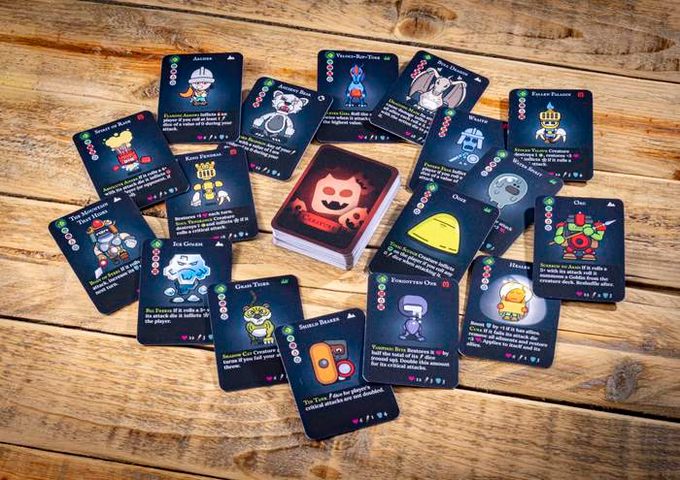
Hark, adventurer, and listen closely. You’ve heard the term whispered in gaming circles and across tabletops: roguelite. But what is it, really? Forget dry definitions. Picture this: you are on a grand quest, but it is not a straight line from A to B. It is a loop, an endless cycle of trying, failing, and trying again, each time returning to the fray a little smarter, a little stronger.
Think of it as a heroic bloodline. The first champion ventures out, learns the hard way where the traps lie, and perhaps uncovers a secret that unlocks a powerful heirloom. When they fall, the next hero in the lineage inherits that knowledge and that heirloom, ready to push just a little bit further into the unknown. That, brave traveller, is the very soul of a roguelite.
Pull up a chair, and let us speak of quests. If you’ve ever rolled dice against impossible odds or shuffled a deck hoping for that one perfect card, you already understand the heart of a roguelite. It is a style of game built upon a thrilling promise: no two adventures will ever be the same. Yet every single attempt, even those that end in glorious disaster, adds to your legend.
This grand idea is no longer confined to digital realms. It has found a powerful new home on the tabletop, in the satisfying shuffle of cards and the clatter of tokens. It taps into the very core of what makes our hobby of board and card games so enthralling.
Here is a glimpse of how such a journey typically unfolds for an adventurer brave enough to take on the challenge.
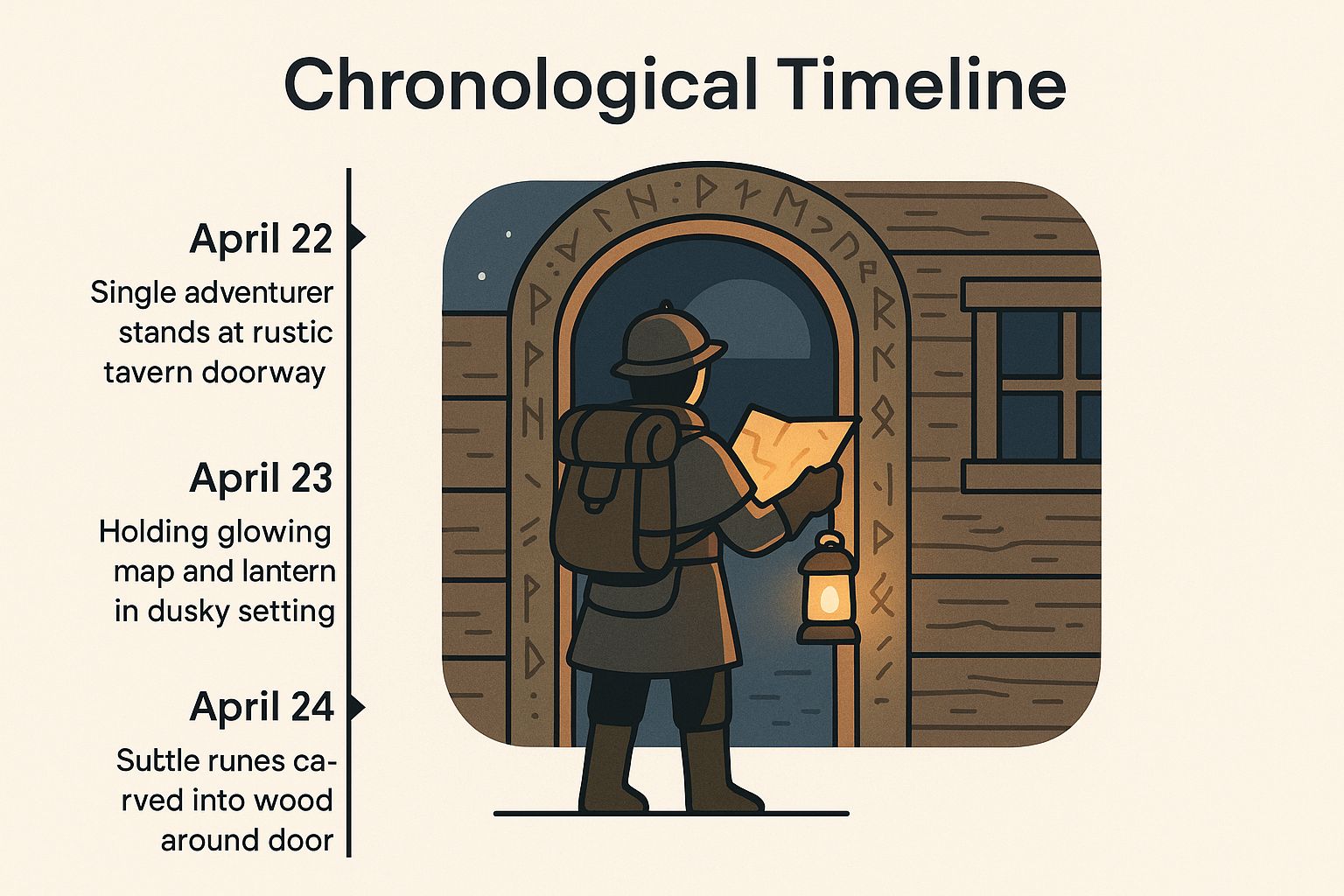
As the ancient maps foretell, every run might start from the beginning, but you never truly start from scratch. You are building upon the wisdom and power of every hero who came before.
So, what arcane forces make a roguelite tick? At its heart, it is governed by a few key principles. Grasp these, and you shall see why this style of play forges such gripping, personal stories of persistence.
This constant loop of risk and reward is the magic ingredient. It turns failure from a frustrating dead end into a core part of the game. You are not just playing; you are building a legacy, one valiant attempt at a time. It is a perfect fit for the world of tabletop and card games.
A roguelite does not ask, "Can you win this time?" It asks, "What did you learn this time that will help you win next time?" It is a test of resilience as much as a test of skill.
To help you remember these core pillars, we've inscribed this small adventurer's codex. Think of it as the unwritten rules of any roguelite journey.
| Tenet | Description for the Modern Adventurer | Tabletop Parallel |
|---|---|---|
| Embrace the Chaos | The world is ever-shifting. Expect random maps, events, and loot on every run. | Shuffling a deck of event cards or drawing random monster tokens. |
| Die with Purpose | Failure is not the end. It is your main tool for progress, unlocking new gear and skills. | Gaining experience for your character pool even after a loss. |
| Forge Your Own Fate | Your build is temporary. Make tough choices to create a unique hero for this single life. | Drafting cards to build a unique deck for one game session. |
These tenets are the very DNA of the roguelite experience, turning each session into a unique story waiting to be told.
Seeing these ideas come to life on a physical table is where the magic truly sparks. Deckbuilding games are an especially perfect home for the roguelite spirit. The simple act of shuffling your deck is a form of procedural generation, ensuring every hand you draw is a fresh tactical puzzle. For any aspiring hero new to this, exploring some easy-to-learn card games is a fantastic way to see this principle in action.
And it is in this incredible tradition that our own game, TerraClash, is being forged. We have taken these core tenets—the thrill of the unknown, the satisfaction of getting stronger with every failure, and the joy of clever deckbuilding—and woven them into a brand-new tabletop saga. Your adventure is just getting started.
To truly grasp the quest we are on, we must look back to the elder tales. Every great idea has roots, and the term roguelite we hear so often today is but the modern descendant of a much older, much harsher genre: the roguelike.
Cast your mind back to the ancient year of 1980. A game called Rogue appears, and it is brutal. The rules were simple and absolute: when you died, you were dead. For good. Your character, your hard-earned gear, every bit of your progress – gone. This iron-clad rule was called permadeath, and it was the heart and soul of the original roguelike.
It was a punishing experience, meant for only the most dedicated players. You had to possess a true love for high-stakes gameplay, where one wrong move could undo hours of toil. It built a small but fiercely loyal following of adventurers who thrived on that very challenge.
But traditions evolve. A new generation of creators loved the core idea but had a different vision. They asked a simple but brilliant question: what if death wasn't just the end? What if it was part of the learning process, a way to pass something on to the next hero who dared to try?
And just like that, the roguelite was born.
Picture it less like a single hero on a doomed quest and more like a heroic family passing down knowledge and powerful heirlooms through the generations. The first adventurer might fall, but in doing so, they might unlock a permanent upgrade for the blacksmith, or find a shortcut for the next hero to use. Their successor starts the same journey, but they are already a little bit stronger, a little wiser.
This is the key difference, the great split between the two genres: moving from the absolute finality of permadeath towards the hopeful persistence of meta-progression. It is what makes the roguelite so addictive.
This single change threw the dungeon doors wide open. It took the sting out of failure and turned it into a crucial part of the journey. Suddenly, every single attempt, no matter how brief, felt as though it was contributing to a larger goal.
This idea—try, fail, and come back stronger—turned out to be a perfect fit for modern game design, especially for independent creators. Smaller studios, with more freedom to experiment, truly seized this gameplay loop and ran with it.
It's not surprising that this style of game has flourished in places like the United Kingdom. In 2023, nearly 60% of the UK's population—that's almost 39 million people—identified as gamers. With strong government support for the creative industries, it’s become a fantastic place for indie studios to craft these kinds of adventures. You can explore more about this growing market and see just how big a role the UK plays.
The roguelite is more than just a genre; it's a design philosophy. It respects your time by making sure that no effort is ever truly wasted. And that philosophy works just as well on the tabletop, where shuffling a deck or drawing a new hand brings its own kind of ever-changing dungeon. Games like TerraClash are the next in this long, noble line, carrying that spirit of persistent adventure from the screen right to your table.
So, what is the secret sauce that makes a roguelite so addictive? It all comes down to the power of persistence. Sure, your hero might be flattened by a goblin horde or misjudge a leap across a fiery chasm, but their story does not end there. Their legend lives on, a whisper in the wind for the next adventurer to hear. This is the heart of the genre: meta-progression.

Think of it as making a pact with an ancestral spirit. Every time you bravely fall in battle, this spirit grants you a boon that carries over. It might be a secret you learned, a powerful new weapon you've unlocked for the town armoury, or even a small upgrade to your very soul that makes everyone who follows you just a little bit tougher.
This clever loop turns failure from a dead end into a vital stepping stone. Every defeated hero isn’t a loss; they are a scout who returns with vital intelligence, making the next attempt that much more likely to succeed. This is what creates that deeply satisfying feeling of growing ever stronger, and it is the real reason we all heed the call of "just one more run."
In a standard game, dying can feel like a full stop. The story just… ends. But in a roguelite, defeat is part of the story itself. It is the training montage, the moment of reflection before the hero gets back up, stronger than ever.
You can see this idea at the tabletop, too. In many of the best deck-building games, your power snowballs as you acquire new cards during a match. A roguelite simply stretches that awesome feeling of growth across multiple games. Each run becomes another chapter in your epic saga.
A roguelite does not ask, "Did you win?" It asks, "How much stronger did you get?" Every run, win or lose, adds another brick to the foundation of your legend.
This whole approach respects your time. Nothing feels wasted because you always walk away with something, whether it’s a shiny new upgrade or just the hard-won wisdom of knowing not to poke the slumbering dragon. It’s a brilliant motivator that encourages experimentation and rewards you for just sticking with it.
Meta-progression appears in all sorts of wondrous ways, each one feeling like a major breakthrough that changes the game for good. It is like expanding the toolkit available to every new hero who decides to take up the quest.
This system of slowly but surely growing more powerful is what keeps you coming back for more. The game remains tough, but you are always evolving, always expanding what you are capable of. You can physically feel your own skill and your character’s power growing side-by-side, which is a truly special feeling.
This journey of small, earned victories is exactly what we have built into the core of TerraClash. We have laboured to capture that feeling of earning permanent advantages through smart plays and sheer grit. Every quest you undertake, win or lose, will build your legend and ensure your next adventure is always packed with fresh potential and exciting new choices.
In a proper roguelite, you cannot simply memorise the layout to win. That is because the path to victory vanishes the moment you fail, reforming into something completely new for your next attempt. This is the handiwork of a clever bit of design called procedural generation—the secret magic that reshuffles the dungeon, its monsters, and its treasures every single time you start a run.
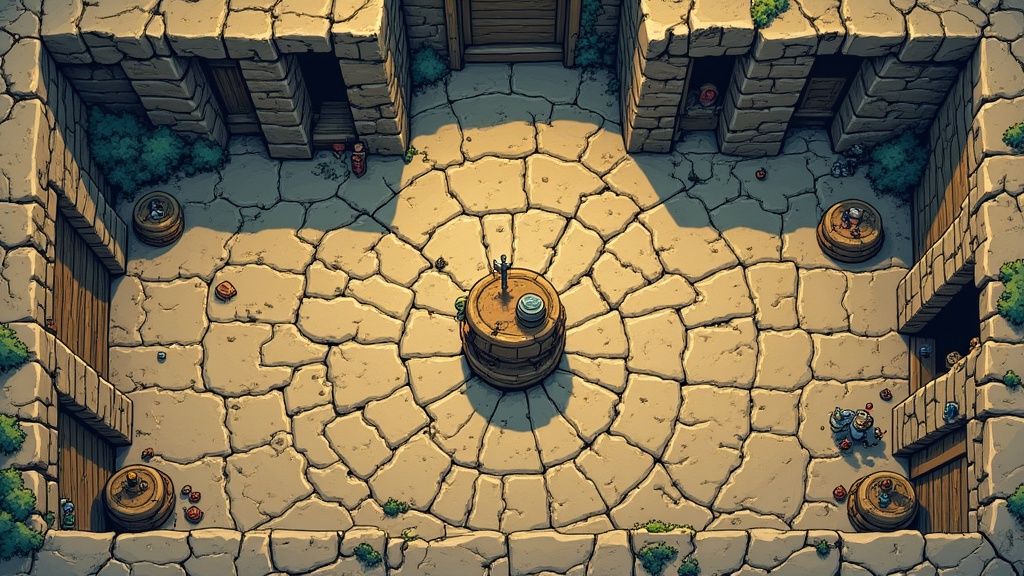
It is the game’s way of ensuring you can never win by rote. Instead, you are forced to lean on pure strategy, quick thinking, and perhaps a little bit of luck. Every corner you turn is a genuine surprise, a fresh puzzle to solve.
This constant sense of the unknown is what keeps players hooked. It's the very definition of replayability, turning what could be a one-and-done experience into a near-infinite labyrinth of challenges.
Think of procedural generation like an invisible Dungeon Master with a rulebook. It knows the basic ingredients—what makes a crypt feel like a crypt, or how to lay out a convincing cave system—but it uses those rules to build something unique every time. One run might throw a sprawling network of flooded caverns at you; the next could be a claustrophobic gauntlet of spike traps and narrow corridors.
This keeps the challenge from ever getting stale. You cannot rely on muscle memory. Instead, you must constantly adapt and think on your feet, reacting to what the game gives you in the moment.
In a procedurally generated world, the true test isn't mastering the map; it's mastering the mechanics. Your skill becomes the only constant in a world defined by change.
You see the exact same principle at work on the tabletop. Shuffling the monster deck in a game like Gloomhaven achieves the same effect. The real thrill comes from drawing a hulking Stone Golem right when you were set up to fight a pack of goblins, forcing you to completely rethink your turn. It is the sheer joy of reacting to the beautifully unexpected.
This idea translates perfectly to deckbuilding board games. When you think on it, a shuffled deck of cards is a fantastic engine for procedural generation. Every hand you draw is a new tactical puzzle, a unique mix of resources and opportunities that you'll likely never see again in that exact order.
This spirit of endless variety is truly taking hold, especially in creative hotspots. The buzzing indie dev scene and a growing player appetite for tough, replayable games in the UK have certainly helped fuel the roguelite's rise. You can read more about the expansion of the UK's gaming ecosystem and see just how much is happening.
This dynamic, ever-shifting challenge is right at the heart of TerraClash. We were completely captivated by the endless possibilities that procedural generation offers, and we wanted to ensure that every time you sit down to play, you are embarking on a genuinely new quest into the unknown.
The spirit of the roguelite is not just for video games. That cycle of trying your best, falling short, but coming back stronger? It is alive and well on the tabletop, echoing in the shuffle of a deck and the roll of dice. In fact, you could say it’s where some of the best shared stories are being forged today.
Plenty of legendary games have carried this torch, proving that the core ideas of progression and endless replayability are a perfect fit for a night around the table with friends. These titans of the tabletop truly light the way for new adventures, and it is among them that TerraClash seeks to find its place.
Take a modern classic like Slay the Spire. It began its life in the digital realm, but its move to the tabletop felt completely natural. Each attempt to climb the spire is its own self-contained quest where you build a deck from scratch, making critical choices that shape your entire run. When you're defeated, that specific journey is over, but what you’ve learned about card combos and enemy attack patterns sticks with you, making your next attempt just that little bit sharper.
Then you have the absolute giant that is Gloomhaven. It might not be a pure roguelite, but its campaign feels like a very close cousin. Heroes eventually retire, you unlock new classes, and the world itself is permanently scarred—or improved—by your party’s decisions. This feeling of a living, evolving world that remembers your triumphs and failures is pure roguelite spirit, showing how progress can be measured across dozens of game nights.
These games prove a fundamental truth for tabletop adventurers: the most memorable stories are not just about winning a single fight, but about the legacy you build over an entire campaign. It is the journey, not just the destination, that forges a legend.
This philosophy has been a guiding light for the indie board game scene, especially for projects brought to life by the passion of crowdfunding communities.
Kickstarter has become a real proving ground for ambitious tabletop games that have roguelite design in their very bones. These are titles born from a shared belief between a creator and their backers, where fresh ideas are everything.
Tainted Grail: The Fall of Avalon: This is a huge, story-heavy adventure that throws you into a dark, cursed world drawn from Arthurian legend. Its branching narrative and tough survival mechanics mean no two campaigns ever play out the same. Getting defeated doesn't just end the game; it often sends the story down a darker, more desperate path, forcing you to adapt and live with the consequences.
Oathsworn: Into the Deepwood: A true masterpiece of tactical combat and story, Oathsworn pits you against massive monsters in tense, high-stakes battles. The game remembers your choices, and your campaign's legacy carries forward, unlocking new secrets and challenges as you go.
These are just a couple of examples of how designers have brilliantly translated the thrill of a roguelite into a physical, hands-on experience. They capture that magic of setting off on a quest where the world itself is a dynamic, ever-changing puzzle. If you love seeing how mechanics and story can come alive on a physical board, checking out these success stories from Kickstarter tabletop games is a fantastic way to see what passionate communities can help create.
It is this lineage of grand, replayable adventures that inspires us. TerraClash is being built with that same adventurous DNA, designed to deliver that same thrill of discovery, that deep satisfaction of growing stronger with every quest, and that promise of a brand new story waiting to be told every time you sit down at the table. Your own legend awaits.
We have journeyed through the twisting corridors of the roguelite genre, from its pixelated origins to the modern classics of the tabletop. Now, all those lessons—every fallen hero, every hard-won victory—have led us to something new. A brand new quest is waiting to be written at your table. We call it TerraClash.
Forged in that same adventurous spirit, TerraClash is a tabletop campaign designed for heroes aged 12 and up. It is built around that familiar, addictive loop: building your power over many sessions, facing down ever-changing threats, and diving into the deep strategy of a finely tuned deckbuilder. It is not just a game; it is an endless journey of discovery.
Think of each game of TerraClash as a fresh descent into a dangerous labyrinth. You will learn from every defeat and gather strength through pure persistence, with each run shaping the next. Your legend will not be forged in a single, flawless victory, but in the resilience you show across countless attempts.
This is an adventure that truly grows with you. If you are still searching for that thrill of the unknown, for a campaign where every choice echoes and every failure is just a setup for a glorious comeback, then this is for you. To see exactly what we are building, you can discover the core concepts of TerraClash and get a glimpse of the world that awaits.
TerraClash delivers on the roguelite promise: start each quest with fresh eyes, but carry the wisdom of all who came before. Your legend is not a single story; it is a library of epic tales, bound together by your persistence.
This idea is the very heart of what we have created. We believe the best stories are the ones you help write yourself, through clever plays, daring risks, and that unstoppable urge to try just one more time.
If you feel that call to adventure, that pull towards a game that rewards both cunning and courage, then listen closely. The Kickstarter for TerraClash is gathering on the horizon, ready to begin a new chapter in the grand tradition of tabletop quests. Your legend is about to begin.
Brave adventurers often return to the guild hall with the same whispers on their lips. Let us pull out the old scrolls and shed some light on the winding paths of the roguelite genre.
Think of it as the difference between a tale that ends and a legacy that grows.
In a classic ‘roguelike’, defeat means your hero is completely gone, lost to time forever. But in a roguelite, defeat is just a setback. You get to carry forward permanent unlocks that make every future hero that little bit stronger.
Absolutely. The whole setup is wonderfully welcoming for anyone new to the hobby.
Each attempt is a fresh start, but it always contributes to your long-term progress. This means new players can learn the ropes without the pressure of one mistake ruining a multi-hour campaign. It’s a brilliant way to teach resilience and strategy in fun, manageable chunks.
It really comes down to heart and resources. The roguelite structure lets small, passionate teams create a massive amount of replayable content from a core set of assets.
Thanks to procedural generation, they do not have to hand-craft hundreds of individual levels. Instead, they can pour all their focus and creativity into making the core gameplay mechanics incredibly deep, giving players countless hours of unique fun.
Beyond the solo adventure, many players are looking to connect with others. For anyone looking to build their own adventuring party, you can discover expert tips for fostering a thriving online community.
Your own legend awaits. Follow the whispers on the wind and prepare for the Kickstarter campaign from TerraClash. Keep your eyes on our official site for news of its launch. For more on incredible indie board games, check out campaigns like Frosthaven and The Witcher: Old World.