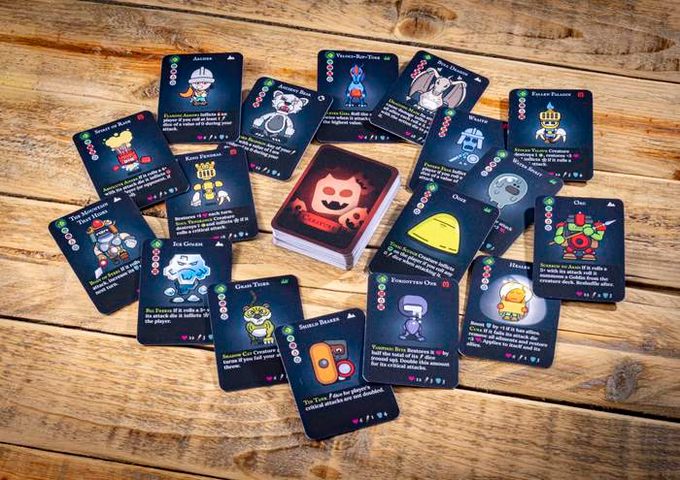
Gather 'round, adventurers, for a tale not of dragons and dungeons, but of a realm teeming with untapped magic and burgeoning legends. This realm is called Kickstarter, a digital bazaar where new tabletop sagas are forged, not in dwarven fires, but from the collective will of players like you. Here, you are more than a mere player; you are a patron, a founder, a vital spark in the creation of new worlds. Welcome to the grand nexus of games on Kickstarter.
Before you lies a landscape of infinite possibility, brimming with untold stories and undiscovered realms. Kickstarter has shattered the ancient gates of old publishing houses that once held sole dominion over which tales were worthy of being told. Now, any creator with a spark of brilliance in their soul can present their vision directly to the most powerful council in the land: the players themselves.
This guide is your enchanted map and diviner's compass, crafted to help you navigate this thrilling and ever-shifting territory. Together, we shall uncover the secrets to finding and championing the most promising indie titles, whether it be a sprawling fantasy epic steeped in eldritch lore, or a cunning deckbuilder that will test the limits of your strategic mind.
Your role in this realm is a noble one, adventurer. When you back a campaign, you weave your own thread into the tapestry of its creation. Consider it your first quest on the path to becoming a legendary backer—learning how your support can transform a unique project, such as the roguelite-inspired saga of TerraClash, from a creator's whispered dream into a tangible reality upon your gaming table.
For any creator, to launch a campaign is a quest of heroic proportions. It is not merely about designing a great game; it is about summoning a compelling story that captures the imagination of potential patrons. To truly connect with their fellowship and reveal the heart of their creation, many creators explore actionable video marketing strategies for small businesses.
"Kickstarter, in many ways, is your first marketing platform for a new game. The page should be an extension of that game – the first place where someone can immerse themselves in the theme, mechanics, and fit-and-finish of the game. Even the best games don’t sell themselves."
This is where your part as a backer becomes so vital. You are the audience, the critic, and the champion who helps a fledgling idea take flight. Your pledge is a powerful incantation, a declaration that you believe in the creator's vision and wish to see it brought forth into the world.
Consider this guide your trusted companion. Within its pages, we shall explore:
Your quest to find legendary games on Kickstarter begins now. Ready your wits, adventurer, for a world of endless possibility awaits.
Before you pledge your coin, you must learn to read the signs and portents of a Kickstarter campaign page. Think of it less as a merchant's stall and more as a detailed scroll from a hopeful creator. They seek patrons to fund their grand adventure, and this page is where the spell is cast for so many games on Kickstarter.
The first arcane principle to grasp is the funding model. Kickstarter operates on an 'all-or-nothing' pact. A project is only brought to life if it reaches its funding goal before the appointed time. Should it fall short, no gold changes hands. It is a powerful ward, protecting you from backing a quest doomed to fail.
When you back a project, you do so by choosing a pledge level, often called a reward tier. This is no simple pre-order; it is a way to show your support at varying levels of commitment, each with its own set of boons.
Pay close attention to how these tiers are woven together. The most successful campaigns are master enchanters, gently nudging you up the ladder of support. They create a "funnel" where each level offers just enough extra treasure to make the next one seem an irresistible bargain. It is a clever charm to ensure they have the resources needed to truly fulfill their vision.
Beyond the funding goal and the glittering rewards, the campaign page is your scrying pool into the project's destiny. You must seek a clear project timeline. This prophetic map should lay out all the key milestones, from the campaign's end to the rites of manufacturing and, crucially, when you can expect the game to arrive at your keep. A well-forged timeline reveals a creator who has truly consulted the oracles of planning.
Creator updates are equally vital. These are your dispatches from the front lines, keeping you informed of progress, unforeseen dangers, and glorious victories. Consistent, honest communication is the mark of a creator you can trust. It is the magic that transforms a group of individual backers into a true fellowship.
A Kickstarter page is, in many ways, the first marketing platform for a new game. It should be an extension of that game—the first place where someone can immerse themselves in the theme, mechanics, and fit-and-finish of the game. Even the best games don’t sell themselves.
Breakout sagas like the grimdark Frosthaven or the imaginative world of The Witcher: Old World did not just sell a box of components; they sold a vision you could lose yourself in from the very first glance. Their pages were dripping with lore and passion. That is the kind of energy you seek—a clear vision that promises a legendary experience.
It is a path that projects, like the fantasy deckbuilder TerraClash, are aiming to follow by building a compelling world right from the start. Once you learn to spot these signs, you can back your next favourite game with the confidence of a seasoned oracle.
Not every glittering project on Kickstarter is true gold. As a backer, you are not just buying a game; you are investing in an idea, a fellowship, and a sacred promise. Learning to distinguish a future classic from a fleeting illusion is a skill every patron must cultivate. It requires looking past the dazzling illusions and delving into the project's very foundations.
Think of yourself as a sage scout. Your task is to look beyond the hype and assess the reality of the campaign. Let us break down what you should be seeking.
First and foremost, does the game call to your adventuring spirit? A campaign page can be a masterwork of art, but the soul of the experience lies in its mechanics. The heart of any worthy project is a solid gameplay loop.
Look for a downloadable grimoire of rules or, even better, a gameplay video. Watching a demonstration of a few turns is the single best way to understand the flow and feel of a game. Does it seem intuitive? Does the strategy feel deep enough? Is this a game you can envision bringing to your table time and time again? Great deckbuilding games like Slay the Spire or Dominion have this quality, where the core mechanics promise endless replayability.
Who are the artisans behind this grand vision? The creators are as important as the game they forge. A quick glimpse into their history can reveal much.
Have they led successful campaigns before? A proven chronicle of delivering on promises is a powerful omen. If they are a new creator, that is no curse—every legend has a beginning! But they must earn your trust through crystal-clear communication and transparency about their plans. Check the comments section and the updates tab. Are they actively answering questions and keeping their fellowship informed? That is a fine sign indeed.
This simple decision tree reveals the fundamental "all-or-nothing" pact of Kickstarter. Your coin is only ever claimed if the project successfully meets its funding goal.
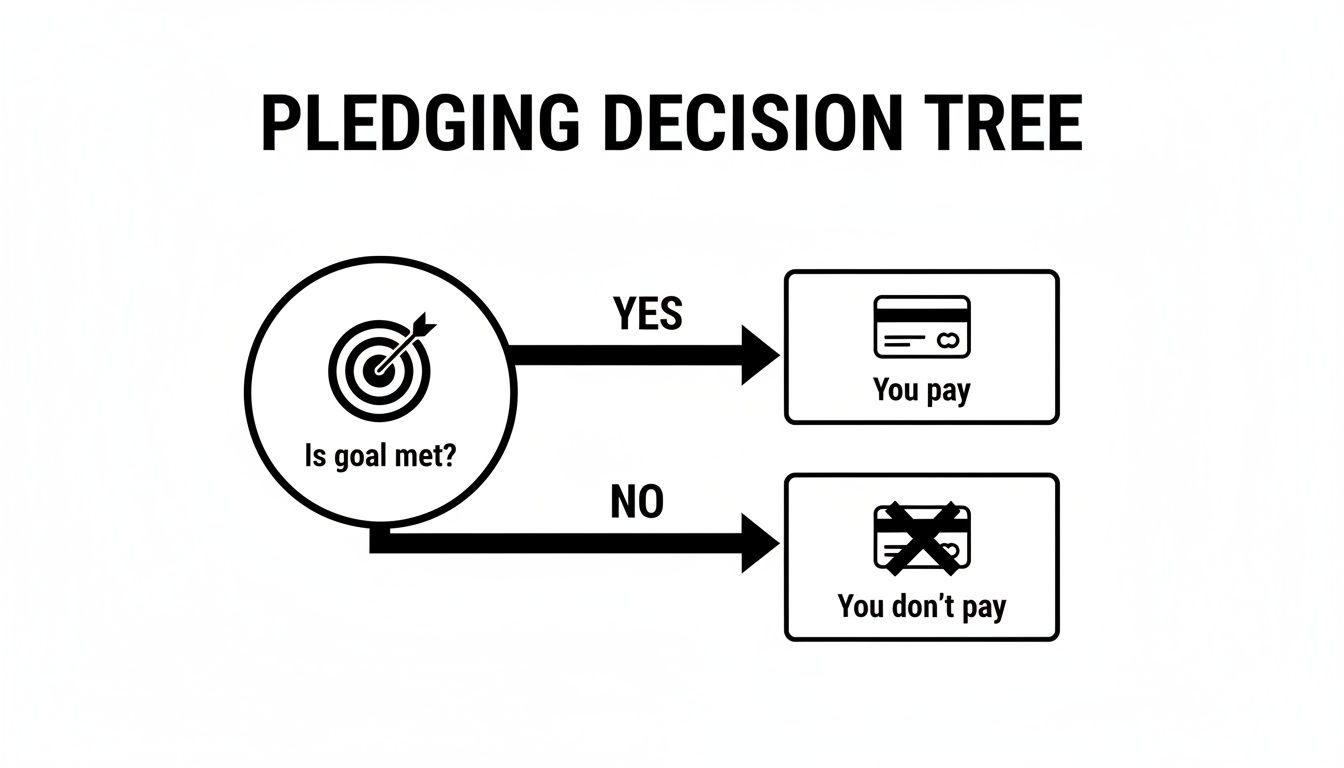
This model protects you by ensuring you're only funding quests that have enough community support to see them through to the end.
Let us speak of the treasures you will eventually hold. The quality of the cards, miniatures, and the board itself can make or break the experience. Look for clear descriptions, close-up images, and prototype reviews from trusted scribes. Good quality materials and stunning, cohesive art are what elevate a game from a mere diversion to a cherished artifact in your collection.
A campaign page should do more than list features; it should transport you. Consider the lore-rich worlds of Gloomhaven or the thematic depth of Scythe. They sold an atmosphere, a feeling, a whole world you wished to enter. It is this immersive approach that new games, like the roguelite deckbuilder TerraClash, are aiming for—making you feel the adventure before the box even arrives.
To aid you on your path, I have crafted a quick checklist. Use this scroll to assess the potential of any tabletop game campaign you discover on your journey.
| Area of Scrutiny | What to Look For (Signs of a Strong Project) | Red Flags (Potential Omens of Danger) |
|---|---|---|
| Gameplay | Clear gameplay video, downloadable rulebook, positive third-party previews. The core loop sounds engaging and well-tested. | Vague descriptions of how the game plays. No rulebook available. Relies entirely on flashy art. |
| Creators & Team | A history of successful, delivered projects. Consistent, transparent communication in updates and comments. | Unrealistic promises, previous failed campaigns with no explanation, ghostly silence from the creator. |
| Components & Art | High-quality mockups, photos of prototypes, cohesive and appealing art style. Clear details on materials. | Low-resolution images, generic-looking art, unclear what's included in the box. |
| Budget & Shipping | Realistic funding goal, clear breakdown of costs, transparent and reasonable shipping estimates provided upfront. | Unusually low funding goal for a complex project, vague or hidden shipping costs ("calculated later"). |
| Community | An active, engaged comments section with the creator participating. A positive and excited vibe among backers. | A ghost town in the comments, many unanswered questions, or backers expressing grave concerns. |
By keeping these points in mind, you can navigate the exciting world of Kickstarter with confidence. You’ll be better equipped to support the incredible indie creators who are pouring their hearts and souls into bringing new tabletop sagas to life.
If you wish to explore what makes a tabletop game truly stand the test of time, you might enjoy our deep dive into the best strategy board games. Go forth and champion the next great adventure.
If you have spent any time exploring the realm of crowdfunded tabletop games, you have likely noticed a pattern. A surprising number of legendary campaigns seem to spring forth from the isles of the United Kingdom. This is no mere coincidence. The UK has quietly become a true powerhouse for games on Kickstarter, a place where creative sparks and community passion consistently combine to launch incredible new experiences.
There is a unique energy here, a special kind of alchemy stirring from the bustling cities to the quiet countryside. It is an ecosystem where innovative game design is not just a pastime; it is a thriving craft. This fertile ground has given us some of the most memorable campaigns in Kickstarter's history, projects that captured the imagination of backers across the globe with their rich stories and clever mechanics.
These successes are not just flukes. They are proof of what can happen when a bold vision meets a passionate fellowship. And they light the way for the next wave of creators, including ambitious projects like the fantasy deck-builder TerraClash, which aims to carve out its own chapter in this impressive saga.
So, what is the secret enchantment? Part of it is a culture steeped in storytelling. This is the land of King Arthur, of knights and dragons, and of world-building masters like Tolkien whose fantasy lore echoes in so many books and games. That heritage runs deep, providing an endless well of inspiration for designers who weave these epic themes into the very soul of their games.
But it is more than just ancient tales. The UK’s tabletop scene is incredibly close-knit. There is a brilliant network of conventions (like the colossal UK Games Expo), local gaming taverns, and indie publishers that fosters a true sense of collaboration. Ideas are shared, prototypes are relentlessly tested in the forge of play, and concepts are polished long before they ever see a crowdfunding page. By the time a game hits Kickstarter, it is often a well-honed machine ready for the grand stage.
The numbers support this tale. The United Kingdom is the second most successful country on Kickstarter, with an incredible 56% of all projects hitting their funding goals. That success rate is especially noticeable in the games category, where UK creators have consistently found a global audience hungry for smart, engaging tabletop games. You can discover more insights about UK Kickstarter success if you wish to delve into the data.
Peruse the Kickstarter hall of fame and you will find it filled with UK-based projects that became global sensations. These campaigns did more than just sell a box of components; they invited people to be part of an unfolding adventure.
These campaigns act as guideposts for aspiring creators. They show that a small team with a great idea can find a huge, enthusiastic audience. The secret is often that the creators are making the game they want to play, and that genuine passion is something backers can feel.
This history of quality sets a high bar and inspires new designers to bring their A-game. It has also built a foundation of trust with the backer community, who know that a project marked with a Union Jack often comes with a certain pedigree. It is in this exciting landscape that the next great adventure, maybe even a roguelite saga as replayable as TerraClash, awaits its discovery.
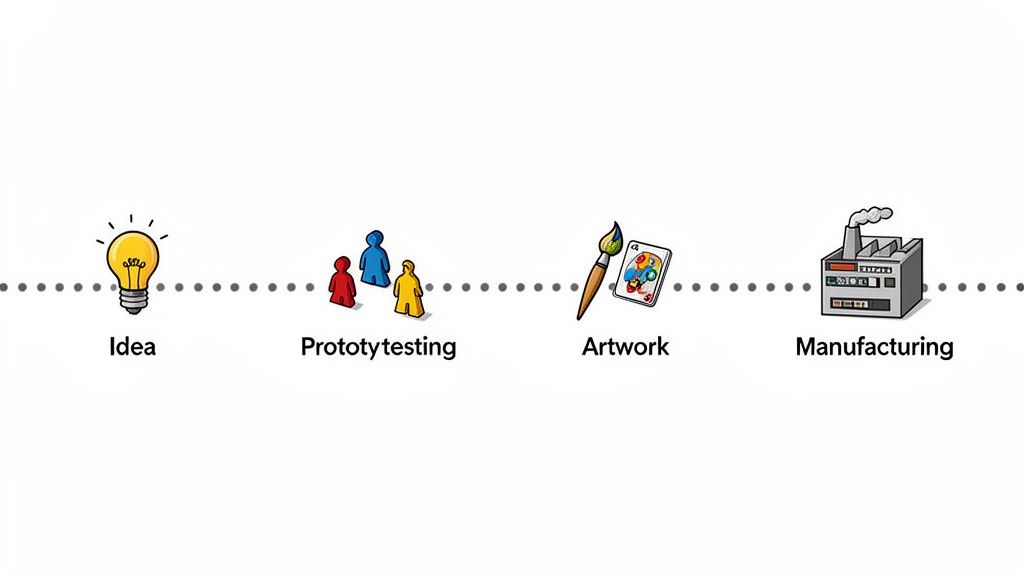
Behind every campaign for the incredible games on Kickstarter is a creator on an epic journey. This adventure does not begin when the "Launch" button is pressed. It begins months, often years, before, with but a spark of an idea – a clever new mechanic, a captivating world, or a story crying out to be told.
That initial vision is merely the first step. It must survive a gauntlet of design, prototyping, and ruthless playtesting. Picture a designer, surrounded by scraps of parchment and stand-in tokens, playing the same turn for the fiftieth time, just to get one rule perfectly balanced. They must be the first explorers of their own creation, ensuring it is a world worthy of a visit.
This is the true, often unseen, labour that occurs long before a game ever appears on your screen. It is where the heart of the game is forged.
Once the gameplay feels true, the creator’s role shifts. They become a director, summoning talented artists to give their world a face. Every illustration, from the box art to a simple goblin card, transforms an abstract rule into something you can see and feel. You can see this creative process in action by exploring the lore behind different creatures, such as in this article about Goblin magic cards.
Then comes the mountain of logistics. The creator must find manufacturers, get quotes for every single component, and solve the puzzle of worldwide shipping. Every tiny choice, like the finish on the cards or the weight of the dice, is a critical decision.
To effectively navigate the complex landscape of modern game creation, particularly when preparing a project for crowdfunding, indie creators can empower their development process with the knowledge of the top AI tools for game development.
This entire balancing act of creativity and project management is what it takes to bring a vision like the randomised adventures of TerraClash to the world.
When you understand just how much devotion goes into one of these projects, your pledge takes on a new, deeper meaning. You are not just pre-ordering a box. You are becoming a patron for a small, passionate team, giving them the resources they need to complete their quest.
Your pledge is a vote of confidence. It tells the creator that their idea is worth pursuing and gives them the power to clear those final, daunting hurdles. In a very real way, you become part of the game's story, helping to bring a brand new world to life.
Alright, you've learned the lay of the land. You know how Kickstarter works, what signs to look for, and how to spot a campaign destined for greatness. Now for the exciting part: diving in and finding your next favourite game.
Think of Kickstarter not as a mere marketplace, but as a bustling convention hall. Down every aisle, creators display their passion projects, a vast tapestry of untold stories and clever mechanics awaiting someone like you to help bring them to life.
This is your invitation to join the fray. Explore the campaigns, watch the gameplay demonstrations, and do not be shy about getting involved. The comments section is your direct line to the creators—ask them questions, share your thoughts, and see how they interact with their community. When you back a project, you do more than just pre-order a game; you become an early supporter, a foundational member of that game’s legacy.
Every pledge, great or small, is a powerful vote of confidence. It tells creators that their idea has merit and gives them the fuel to turn a concept into a real, tangible game you can hold in your hands.
Here in the UK, the tabletop scene on Kickstarter is truly legendary. In fact, board games are the platform's most funded category, with four of the top five all-time UK projects being tabletop games. This is fantastic news for any adventurer aged 12 and up who loves rich, immersive worlds like the one we're building with TerraClash. Just look at a huge success story like Dark Souls: The Board Game—it summoned an incredible £3.77 million. It just shows how much appetite there is for deep, thematic experiences. If you're curious, you can see a full list of the UK's top-funded projects and get a sense of the scale.
Your journey as a backer is about more than just getting a new box for your shelf. It’s about being part of the creative process, supporting independent designers, and helping to fill the world with more brilliant games.
Your support makes it possible for unique, passion-driven games to exist—the kind that might never be forged through traditional means. This is especially true for games that focus on teamwork and shared experiences. If you love the feeling of winning (or losing!) as a team, you should take a look at our guide to the best cooperative board games.
So, go forth, have a look around. Explore the many games on Kickstarter, and with any luck, you might even consider joining us for the quest of TerraClash. A new adventure is waiting.
Even the most seasoned backer has questions. It is part of the grand journey. Before you make your next big pledge, let us resolve some of the most common queries that arise when backing tabletop games on Kickstarter.
Think of this as the wisdom you'd gain from a tavern elder who's been around the block, someone who's witnessed both incredible successes and quests that didn't quite make it.
This is likely the number one worry for new backers. What if the project that has captured your imagination does not reach its funding goal? The good news is, you lose not a single coin.
Kickstarter abides by a simple, effective pact: all-or-nothing. If a campaign falls short of its target when the final bell tolls, no money changes hands. Your pledge is cancelled, and your card is never charged. This system protects all involved—it prevents creators from embarking on a project without the resources they truly need to see it to completion.
Indeed. We have all been there—perhaps your coffers change, or a different reward tier suddenly seems more alluring. As long as the campaign is still active, you have complete flexibility.
You can increase your pledge, decrease it, or switch tiers entirely. Go forth. But be mindful, once the campaign successfully concludes, your pledge is locked in. It becomes part of the final funding total that the creators are counting on. So, while you have freedom during the campaign, ensure you are happy with your choice by the end.
A campaign page is so much more than a sales pitch. It's the creator's story, their vision, and their promise to you. It's your first glimpse into their world. The campaigns that truly nail it, whether it's a gritty, dark adventure like Frosthaven or a sprawling epic like The Witcher: Old World, make you feel like you're already on the journey.
This is the kind of immersive feeling that new projects, like the roguelite deckbuilder TerraClash, aim to create. They pull you into a world of possibility right from the start.
Sometimes, a campaign's magic is so potent it takes on a life of its own. The community's support surges past the initial funding goal, and that's where stretch goals enter the fray. Think of them as bonus treasures unlocked by everyone's combined support.
These are extra funding milestones set by the creator. Reaching them might mean upgrading cardboard tokens to custom wooden ones, adding a new hero to the game, or even expanding the story with a whole new chapter. It is a fantastic way for creators to thank their backers for the incredible support and make the final creation even better for everyone.
This is a crucial question. While no crystal ball exists, you can learn much by doing a little scrying. The creator's history is the best place to start. Check their profile—have they run successful campaigns before and, more importantly, have they delivered on them?
A detailed campaign page with a clear, realistic timeline is another great sign. But for me, the most telling thing is communication. A creator who is active in the comments section, answering questions and posting regular, transparent updates, is a creator you can trust. It shows they are engaged and committed to seeing their project through to the end.
The world of tabletop gaming is constantly growing, with new stories waiting to be told. At TerraClash, we are preparing to launch our own—a roguelite deckbuilding adventure where every game is a fresh challenge. If that sounds like your kind of quest, follow our page to be the first to know when we go live. Prepare for adventure with the TerraClash Kickstarter.