Heed my words, traveller, for you stand upon the threshold of a new realm. It is a world forged not of earth and stone, but of pure imagination, where your every choice carries the weight of destiny. Consider this scroll your first enchanted map to the mystical lands of Dungeons & Dragons. This is a place where creativity is your sharpest blade and your own grand saga waits to be written. This is the essential guide for all dungeons and dragons beginners about to embark upon their first epic quest.
Welcome to the threshold of fantasy. The path ahead leads you straight into the heart of Dungeons & Dragons, a game that’s so much more than just a game—it’s a shared saga, an improvised play, and a cunning challenge all rolled into one. At its core, D&D is about weaving a story together.
One person takes on the sacred role of the Dungeon Master (DM), who acts as the world's narrator and referee. They paint the picture for all others, describing everything from the scent of ancient dust in a long-forgotten tomb to the deafening roar of a dragon protecting its hoard. The DM also embodies every character the heroes meet, from the friendly village blacksmith to a scheming, power-mad sorcerer.
Everyone else at the table forges their own unique hero, becoming the protagonists of the story. Together, this band of adventurers—your 'party'—delves into forgotten ruins, gets entangled in treacherous court politics, and battles fearsome monsters. Your decisions, your triumphs, and even your spectacular failures are what push the narrative forward, creating a tale that is completely unique to your group.
The spirit of D&D has never felt more alive. This isn't some dusty tome from a forgotten age; it's a living, breathing hobby that's seen a massive resurgence. The modern rules, which came out in 2014, made the game much easier for newcomers to pick up and play. This has sparked incredible growth, with the global player base exploding from a few million in the 1980s to over 50 million in recent years. Many new players in the UK have found the community especially welcoming, making this a golden age to start your own journey. You can find more on the growing D&D community insights on EN World.
"Dungeons & Dragons is the shared storytelling of a fantasy world. It is about imagining a hero, becoming that hero, and then working with your friends to overcome great challenges. The dice only guide fate; your choices forge the legend."
This magical mix of strategy, social fun, and shared imagination is the very foundation that has inspired countless other fantasy worlds. You can see its DNA everywhere, from sprawling video game RPGs to the tactical depth of so many modern board and card games.
That thrill of banding together to overcome a massive challenge is a powerful thing. It's the same spark you'll find in countless brilliant indie tabletop games. Whether you're trying to negotiate a fragile alliance in a complex board game or building the perfect hand in a deckbuilding adventure, the goal is often the same: create an unforgettable story through the art of play.
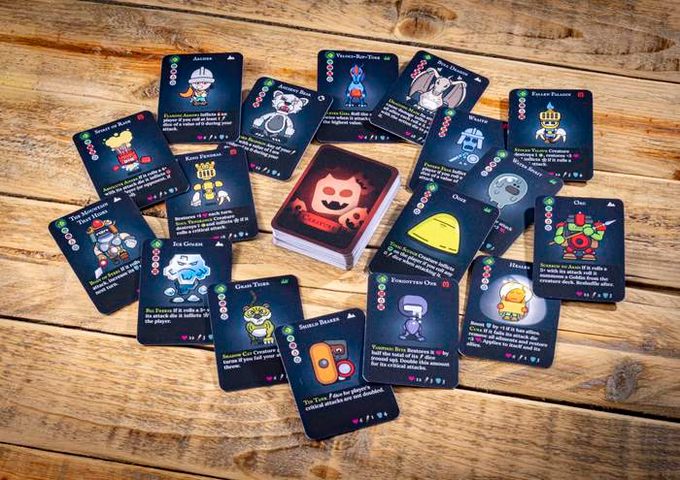
Games like Gloomhaven or the cooperative card game Arkham Horror capture a very similar feeling of a shared struggle against impossible odds. It’s this very spirit that fuels new projects like our own, TerraClash, which aims to capture that heroic conflict and strategic depth in a fast-paced card game for adventurers aged 12 and up. The journey you're starting with D&D truly opens a doorway to a whole universe of tabletop quests.
Hark, let's speak of what D&D is truly about.
When you strip away the arcane sigils and ancient maps, every Dungeons & Dragons adventure, whether a gritty dungeon crawl or a high-society political drama, is built on three core pillars. Think of them as the game's very essence. Understanding these is the first great step on your journey.
These three pillars are Exploration, Social Interaction, and Combat.
A great D&D session is much like a wizard's potion – it’s the blend of all three that gives it power. Some tales might have more of one than the others, but the most unforgettable campaigns find a way to weave them all together. A clever Dungeon Master will constantly present you with challenges that test your skills across all three areas, often in ways you would never expect.
For any who are just beginning, learning to dance between these pillars is the secret to mastery. So, let us pull back the curtain and see what makes each one tick.
This is the thrill of the unknown. It’s that feeling you get when you’re pushing open a door that hasn’t been touched in a thousand years, or when you're carefully making your way across a treacherous mountain pass with a storm raging around you. Exploration is all about discovering the world and overcoming the challenges it throws at you.
But it's not just about wandering from A to B. Exploration covers a whole lot more:
Exploration is for the curious and the sharp-eyed. It’s the part of the game where being clever can be a whole lot more useful than having a big axe.
Let's be honest, you cannot solve every problem by hitting it. That's where Social Interaction comes in. This pillar is all about talking, persuading, bargaining, and sometimes, telling a few white lies to get what you need. It’s where your character’s personality gets to take centre stage.
Think about it – every adventure is filled with people. Can you convince the grumpy town guard to look the other way? Can you bluff your way past the goblin sentries by pretending to be a travelling poet? Your words are your weapons here. Forging an alliance with a rival group of adventurers might be the one thing that saves your skin when a dragon shows up.
"A sharp tongue can be as deadly as a sharp blade. Many a dragon has been outwitted where an army has failed. Remember, words shape worlds just as surely as magic does."
Eventually, the talking stops. That’s when you draw your sword, nock an arrow, or start chanting the words to a powerful spell. Combat is the most action-packed part of the game – a dynamic clash of strategy, teamwork, and a healthy dose of luck. This is where you face down terrifying monsters, battle evil cultists, and protect the innocent.
But combat isn't just about rolling dice and hoping for the best. It's a tactical puzzle. Where you stand, when you use your most powerful abilities, and how you work with your friends are all crucial. A smart, coordinated team can take down enemies that would wipe the floor with them individually. It's in these thrilling moments, with spells flying and steel clashing, that some of the greatest D&D memories are forged.
To help you see how it all fits together, here’s a quick breakdown of the three pillars. Think about how your character might approach a problem using one, or even all three, of these methods.
| Pillar of Adventure | Character Actions | Typical Ability Check |
|---|---|---|
| Exploration | Scaling a cliff, spotting a hidden trap, finding tracks | Athletics, Perception |
| Social Interaction | Persuading a guard, lying to a villain, charming a noble | Persuasion, Deception |
| Combat | Attacking a monster, casting a spell, dodging a fireball | Attack Rolls, Saving Throws |
At the end of the day, these pillars are but a framework. The real magic happens when they blur together, creating a story that is uniquely yours.
Now, let's get to the best part: deciding who you will be. This is where your imagination is truly set free. Are you a stoic Paladin, shield gleaming as you stand against the darkness? Or perhaps a shadowy Rogue, a whisper in the night? Perhaps you're a reclusive Wizard, shaping reality with a word and a gesture. This is your chance to forge a hero.
Your character is so much more than a few numbers on a sheet of parchment. They're your vessel in this grand, shared story – your way of seeing and interacting with a world of magic, monsters, and mystery. Building them should be fun, not feel like a chore. So, let us walk this path together.
It all starts with two key decisions that form the foundation of any adventurer: their Race and their Class.
Think of your character's Race as their heritage. It’s not just about looks; it's about their culture, their history, and the natural talents they were born with. You could be a hardy Dwarf from a sprawling mountain home, tough as nails and a master craftsperson. Or maybe you're a graceful Elf, ancient and wise, with senses sharp enough to spot a goblin in the deep woods. Each choice gives you a unique flavour and set of abilities that will shape your entire adventure.
Then comes your Class. This is your character's profession, their training, their very calling in life. It's probably the most defining choice you'll make, as it dictates what you do in the game. A Fighter is a master of arms and armour, a Cleric calls upon the power of a god to heal and protect, and a Bard uses art and magic to inspire friends and outwit foes. If you wish to delve deeper into these arts, our guide on how to make a Dungeons and Dragons character has you covered.
These choices are the core of your hero, preparing them for the three pillars of any good D&D game: Exploration, Social Interaction, and Combat.
This infographic shows how these core gameplay pillars flow into one another, creating a complete D&D experience.
As you can see, a great adventure isn't just one thing. It's a blend of discovery, clever conversation, and heart-pounding action. You'll need a hero who can handle it all.
Once you've got a concept, it's time to give them substance. In D&D, this is handled by six Ability Scores – the numbers that tell you what your character is naturally good at.
These scores are the engine beneath the armour, influencing nearly every dice roll you make. But a hero is more than just a set of stats. The characters we remember for years are the ones with a story, a past that made them who they are.
"Your character sheet gives you the rules, but your backstory gives you a reason to play. A flaw, a bond, and an ideal are the true heart of any great hero."
The world of tabletop gaming has grown fantastically over the years. What was once seen as a niche hobby has blossomed into a wonderfully diverse community, especially for dungeons and dragons beginners in the UK. In fact, recent figures show that the gender gap has shrunk dramatically, with nearly 39% of players now identifying as female. This diversity is what's making the game stronger and more creative than ever.
Your backstory doesn't need to be a ten-page epic. Just a few simple ideas can give you so much to work with. Why did your Rogue turn their back on the thieves' guild? Which god did your Paladin swear an oath to, and why? What tragedy set your Wizard on their quest for forbidden knowledge? Answering little questions like these is what turns a collection of stats into a real person, ready to make their mark on the world.
In Dungeons & Dragons, destiny isn't some grand, pre-written script. It’s a chaotic, beautiful force that tumbles from your hand in a clatter of plastic and hope. Those many-sided dice are the true arbiters of fate, deciding if your heroic sword swing finds its mark or if your desperate leap across a chasm falls agonisingly short.
To a newcomer, they might look like a pocketful of strange jewels, but each one has its own purpose. You’ll soon get to know the whole family of polyhedral dice, from the four-sided pyramid (the d4) all the way to the d100 (which you roll using two ten-sided dice). Each one is used for different things, like working out the damage of a tiny dagger (a d4) or how much a healing potion restores (a d8). You can get the full rundown on these and other handy tools in our guide to essential D&D accessories.
But there is one die that stands above all others. One you will learn to love, cheer for, and occasionally curse with every fibre of your being: the twenty-sided die, the legendary d20. This is the great decider.
Think of the d20 as the game's engine. Any time you try to do something where the outcome is uncertain—climb a treacherous cliff, haggle with a stubborn merchant, or swing your axe at a snarling goblin—you'll roll a d20. You then add any relevant bonuses from your character sheet and announce the grand total to the Dungeon Master. It’s a beautifully simple mechanic that sits at the very heart of the game.
The DM has a secret number in mind, the Difficulty Class (DC), which is simply a measure of how hard the task is. If your roll, plus your bonuses, meets or beats that DC, you succeed! If it falls short, you fail. This simple system is responsible for creating incredible moments of tension and pure joy. A high roll can snatch victory from the jaws of defeat, while a low one can lead to hilarious, unexpected chaos.
"The Dungeon Master is the keeper of the world's secrets, the voice of its monsters, and the weaver of its fate. They don't tell you your story; they present a world and ask, 'What do you do now?'"
This brings us to the most important person at the table—the one who doesn’t play a single character but somehow plays everything else.
The Dungeon Master, or DM, is your guide, your storyteller, and the impartial referee who brings the world to life. They are the architect of the adventure you're on, the voice of every person you meet—from the cheerful tavern keeper to the ancient, terrifying dragon—and the mind behind every monster you face. Their job is to describe the world, present you with challenges, and, most importantly, react to the choices you make.
A great DM isn't just reading from a book. They’re creating a living, breathing world that responds to you. They are the crucial link between the game's rules and the unfolding story, making sure everything is fair but always exciting.
This magical partnership between player freedom and a guiding narrative is what makes D&D so incredibly special, and its influence is everywhere. You can see echoes of it in countless modern games, from the deck-building strategy of Slay the Spire to the rich narrative choices in board games like Tainted Grail. They all share that core DNA: a framework of rules and a clear goal, but a path to victory that is forged entirely by the players' own choices. It’s a beautiful balance, first perfected around the D&D table, that continues to shape tabletop gaming today.
The tavern door creaks open, spilling a warm slice of golden light into the murky alley. A cloaked figure in a shadowed corner catches your eye and gestures for you to come closer. Your quest, brave soul, is about to begin. Think of this as your survival guide, packed with the wisdom you’ll need to make your first dive into the world of Dungeons & Dragons a truly epic one.
Before you cross that threshold, you must gather your gear. I speak not of rations and sharpened swords, but of preparing your mind and your gaming space for the adventure ahead. After all, every hero needs the right tools for the job.
Your most crucial piece of kit is your character sheet. This is your hero's soul on paper—a complete record of their strengths, skills, and the personal story that brought them here. You’ll also want your dice, those beautiful, chaotic deciders of fate, along with a simple notebook and pencil. This humble journal is where you'll scribble down cryptic clues, the names of shady characters, and any solemn promises you make along the way.
Hark, this is where the real magic happens. Getting into character can feel a bit intimidating for dungeons and dragons beginners, but it's not a stage performance. You don't need to be a master thespian or put on a flawless accent. It's simply about making choices as if you were your character.
Start small. How does your hero walk? How do they speak? A hulking barbarian might be blunt and get straight to the point, while a nimble rogue might choose their words as carefully as they choose a pocket to pick.
When it's your turn to act, you have two straightforward options:
Neither way is wrong. The real goal is just to add your piece to the shared story. Honestly, the most important thing you can bring to the table is an open mind, ready to roll with whatever unexpected twists the dice and the DM throw at you.
Every adventuring party is a team, a fellowship bound together by a common purpose. To succeed, you must learn the unspoken etiquette of the table—the simple customs that turn a bunch of individuals into a legendary party and ensure everyone has a brilliant time.
First and foremost, listen to your fellow players and the Dungeon Master. D&D is a conversation, a collaborative story. Pay attention when others are speaking and try to build on their ideas. The best moments always come from the party truly working together, combining their skills and creativity to figure out a tough challenge.
Just as important is learning to share the spotlight. Every hero deserves their moment to shine. If you’ve just had a big, heroic scene, look for ways to support your friends and help them pull off their own cool moves. A rising tide lifts all ships, and a supportive party lifts all heroes to greatness.
"The strength of the party is each member. The strength of each member is the party. Together, you are an unstoppable force; divided, you are but a footnote in a forgotten tome."
Finally, embrace teamwork. You might be playing a brooding lone-wolf rogue, but you're still part of a group. Trust your companions, have their backs in a fight, and work together to solve the puzzles that block your path. Whether it’s D&D or a tactical card game, the real thrill comes from winning as one. This sense of shared victory is what makes tabletop gaming such a powerful and memorable experience, inspiring countless indie games on platforms like Kickstarter.
The last goblin has fallen. The weight of your first real treasure settles in your pouch. That quiet moment after the clash of steel is broken by the cheers of your new friends. You survived. But this, brave adventurer, is just the opening scene. Dungeons & Dragons isn't a game you finish once; it’s a doorway to a thousand different stories, each more epic than the last.
Your character’s real journey is only just getting started. As you take on bigger challenges and complete quests, you’ll earn experience points (XP). Get enough of them, and you’ll level up—that brilliant moment when a nervous rookie starts becoming a true hero of the realm. This is where your character really begins to shine.
With every new level, your hero becomes a much tougher nut to crack. A Fighter might learn to attack twice in the time it takes an enemy to blink. A Wizard could unlock spells that literally reshape reality. A Rogue might become so sneaky they can practically disappear in plain sight. This progression is the real magic of a long-term campaign: watching your character grow from a nobody into a legend people sing about in taverns.
The skills you learn around the D&D table—thinking on your feet, telling stories together, and a love for a good fantasy world—are a key that unlocks an entire universe of tabletop games. For many, D&D is the first step into a much bigger, wonderfully creative hobby. That feeling of outsmarting a cunning enemy or pulling together with your allies to beat impossible odds? Countless other brilliant games capture that same spark.
If you love the tactical puzzle of D&D combat, you might truly enjoy deckbuilding games like Dominion or Clank!, where you gather cards to pull off powerful combos. They test your planning and ability to adapt, just like a tough D&D fight. For anyone looking for more inspiration on how to build these kinds of challenges, exploring different D&D campaign ideas shows just how a simple idea can grow into a grand adventure.
Or perhaps you’d prefer a massive, story-heavy board game? Something like Gloomhaven or The Lord of the Rings: Journeys in Middle-earth gives you that same feeling of a sprawling campaign with character growth and big decisions, but all within a more structured, board-based system.
"Every roll of the dice in D&D teaches you something fundamental about adventuring: that strategy, luck, and fellowship are the three threads that weave every great story. That lesson is the key that unlocks the door to every other tabletop realm."
One of the most exciting places to find new tabletop games these days is on platforms like Kickstarter. It’s where independent creators and small studios—often people who started out as D&D players themselves—pour their hearts into making new worlds and clever game mechanics. Think of it as a treasure trove for adventurers looking for a fresh challenge.
On Kickstarter, you can discover the next wave of fantasy epics before they're even widely known. From co-operative dungeon crawlers to fiercely competitive card games, these projects are all fuelled by the exact same passion that powers your D&D sessions. Supporting a campaign is like becoming a patron for a new adventuring guild, helping to bring a new story into the world for everyone to enjoy.
That’s the spirit that drives projects like our own game, TerraClash, where we’ve sought to capture that heroic D&D spark of tactical combat and deep strategy in a fresh format. Your D&D journey doesn't just end. It is the starting point for a lifetime of adventure, both in worlds you know and in countless others just waiting to be discovered. Your quest log is far from empty.
Now, you have the basics, but a few questions probably rattle in your mind. This is normal. Every seasoned adventurer started exactly where you are now, so let us tackle some of the most common inquiries.
Honestly, not much at all. You can dive in without spending a single gold piece. The free Basic Rules are available online and cover everything you need to get going.
Beyond that, you’ll want a character sheet (you can print one for free) and a set of polyhedral dice. If you get hooked and want to invest in a tome, the Player’s Handbook is the one to seek first. It is the cornerstone of the game.
This is often the biggest hurdle, but it's easier than you think. The first place to look is your own circle of friends – you’d be surprised who is secretly keen to give it a go.
If that doesn't work, check out your local game shop. Many of them run regular D&D nights, often with tables specifically for newcomers. Failing that, online platforms like Roll20 are fantastic for finding groups to play with from anywhere in the world.
A quick word of encouragement: You are absolutely 'good enough' to play. D&D is a cooperative storytelling game, not a performance. You don't need to be a voice actor or a master strategist. Just say what your character does. That's it. Your imagination is the only ticket you need.
Your journey into tabletop adventures has just begun. If the thrill of tactical combat and building a powerful hero calls to you, continue your quest with TerraClash. Discover a new world of strategic card battles at https://terraclash.co.uk.