Gather ‘round, traveler, for the tales of heroes are seldom penned with ink of gold from the very start. In the sprawling realms of Dungeons & Dragons, not every champion begins their quest with a blade forged in dragon fire. Most take their first fateful steps with something far more common, yet no less vital: a simple weapon.
These are the foundational tools of the adventuring trade, the kind of gear almost any soul can pick up and wield effectively from their first sunrise on the road. We speak of trusty clubs, swift daggers, stout quarterstaffs, and keen-eyed light crossbows—common, reliable, and available to just about every character class. For many heroes, these simple arms are the very bedrock upon which legends are built.

Listen closely, for your grand saga does not begin with some legendary artefact unearthed from a forgotten tomb. It begins with a humble choice. In the vast tapestries of D&D, the path to glory is often paved with everyday tools—a sturdy club, a quick dagger, or a dependable shortbow. This scroll is your guide to mastering the art of DnD simple weapons.
Together, we shall delve into what makes these armaments so essential, why they form the foundation of countless destinies, and how their quiet strengths can turn the tide of battle. So, cast aside what you think you know of "basic" gear. We are about to uncover the hidden tactical depth and rich storytelling potential behind the most accessible weapons in the game.
The true beauty of a simple weapon, you see, lies in its universality. It is the great equaliser, the starting point from which all legends spring.
Picture the farmhand who snatches a sickle to defend their village from encroaching shadows, or the young acolyte whose only protection is a stout quarterstaff held in determined hands. These are not the ornate longswords you see hanging on a castle wall, but in the crucible of conflict, they are just as capable of forging victory.
This theme of starting with the basics is a classic thread in so many grand adventures, a feeling that echoes through countless tabletop campaigns. Whether you are a fresh-faced adventurer learning the rules or a seasoned loremaster planning your next character, understanding your fundamental gear is paramount. Should you be at the very start of your journey, our complete guide on D&D for beginners can help light the way.
A simple weapon in the right hands is more formidable than a legendary blade in the wrong ones. It is not the tool, but the wielder's intent and cunning, that forges victory from the fires of battle.
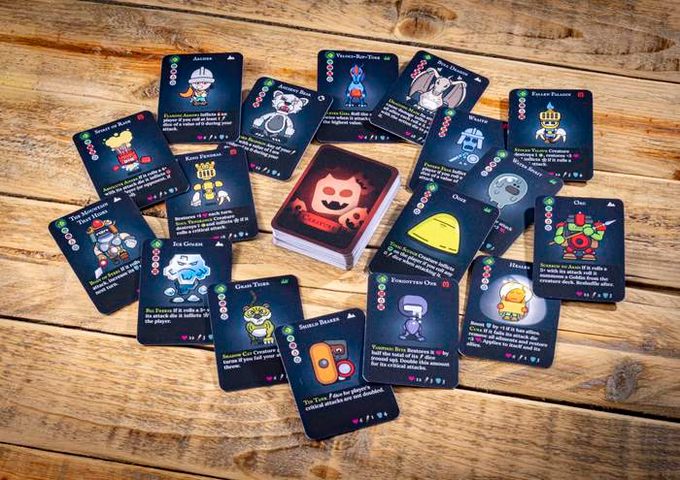
This very concept—that greatness can spring from humble beginnings—is woven into the fabric of the best fantasy tales. It’s an idea that inspires us as we forge our own deck-building game, TerraClash, where every player starts with fundamental tools and builds their legend, card by card. This guide will prove that true power isn't about complexity; it's about mastering the fundamentals.
So, what truly separates a hefty club from a knightly longsword? Or a humble spear from a deadly glaive? In the world of Dungeons & Dragons, it all comes down to a single, crucial concept: proficiency. This is the game's way of defining who can use what, and how well.
Imagine the difference between a village baker seizing a rolling pin to defend their shop and a trained soldier wielding a warhammer on the battlefield. One is an improvised tool, the other an instrument of war requiring specialised training. A dnd simple weapon is much like that rolling pin – an armament so straightforward that almost anyone can grasp its use without years of dedicated practice.
This is precisely why you see characters like Clerics, Rogues, and Wizards starting their adventures with simple weapons. Their true talents lie in channelling divine power, slipping through shadows, or unravelling the mysteries of the arcane. Their weapon training is practical, focusing on reliable tools that get the job done without demanding a lifetime of martial discipline.
The D&D armoury is split neatly into two camps: simple and martial. This isn't merely for flavour; it's a fundamental part of the game's balance, compelling every adventurer to make a meaningful choice.
This distinction is more than just a rule; it’s a reflection of how a fantasy world operates. The commonality of simple weapons speaks to their practicality. It’s no surprise that here in the UK's thriving tabletop scene, simple weapons account for over 60% of the starting equipment choices for new players, showing a clear preference for gear that’s easy to master from the start. If you're curious about the real-world history behind this kind of equipment, it's worth exploring research guides on British military development.
A weapon's worth is measured not by its complexity, but by the will of the hand that holds it. Simplicity is a canvas upon which a hero paints their legend, one decisive strike at a time.
Choosing your first weapon is, in many ways, your first true strategic decision. Will you opt for the raw, brute force of a martial weapon, knowing it may limit your class choices or require a special feat? Or will you embrace the versatility of a dnd simple weapon, relying on your other skills and clever tactics to win the day?
This idea of building from a solid foundation is a powerful theme you'll find in countless tabletop games. It’s a core principle we’ve woven into the design of our own deck-building game, TerraClash. In our world, just like in D&D, every player begins with fundamental tools. You build your power not from one mighty item, but from a series of smart, tactical choices made along your journey. Grasping this philosophy will help you make wiser decisions when outfitting your own hero for the perils that lie ahead.
Right, let us get down to brass tacks. Every adventurer must start somewhere, and that place is usually with a simple weapon. These are the tools of the trade for common folk, city guards, and fresh-faced heroes stepping out of the tavern for the first time.
Do not let the name fool you. "Simple" does not mean weak. It merely means they are easy to master. Below is a complete list of every official simple weapon from the Player's Handbook, complete with the essential stats you'll need: cost, damage, weight, and any special properties that make them tick. Consider this your first stop when gearing up for adventure.
These are your up-close-and-personal options. When you're toe-to-toe with a snarling goblin, this is what you’ll be swinging. They range from basic lumps of wood to weapons with a bit more finesse, but they all share one thing in common: they get the job done in a brawl.
Club
It is a heavy stick. That is all. A club is likely the first weapon ever conceived, and it remains effective. It's cheap, easy to find (or make), and perfect for anyone who just needs to hit something hard without any fancy swordplay.
Dagger
Small, fast, and easily hidden, the dagger is a classic for a reason. Its finesse property means you can use your Dexterity instead of Strength to attack, a massive boon for nimble rogues or rangers. It’s also light, making it a fine choice for dual-wielding, and you can even throw it in a pinch. Incredibly versatile.
Greatclub
Take a regular club and make it bigger. Much bigger. The greatclub is essentially a small log you swing with both hands. It is a brutal, unsophisticated weapon that delivers a massive, crushing blow. If you possess the muscle and prefer brute force over technique, this is your tool.
Handaxe
Part tool, part weapon, the handaxe is a favourite of frontiersmen, dwarves, and anyone who values practicality. It’s effective for chopping wood and goblins. Being light makes it good for two-weapon fighting, and you can hurl it at a fleeing foe, making it a solid, reliable choice.
Javelin
A light spear designed specifically for throwing. The javelin allows you to soften up a target from a distance before wading into the fray. A well-aimed volley from your party's front-liners can disrupt an enemy charge and turn the tide before the real fight even begins.
Light Hammer
Another tool pulled from the workshop and into battle. The light hammer is perfect for clobbering foes in heavy armour. It's balanced enough to be thrown accurately and, like the handaxe, its light property makes it a solid off-hand option. A classic for dwarven fighters and clerics.
Mace
The mace is a step up from a simple club, adding a heavy metal head designed to smash through armour. It is the iconic weapon for a cleric, allowing them to deliver divine justice without technically spilling blood with a blade. It's a straightforward, reliable bludgeoning weapon.
Quarterstaff
It may appear as a long walking stick, but in the right hands, a quarterstaff is a surprisingly deadly and defensive weapon. Its key feature is the versatile property—use it one-handed for decent damage, or grip it with two hands to hit even harder. This flexibility makes it a favourite for wizards, monks, and wandering travellers.
Sickle
Originally a farmer's tool for harvesting grain, the sickle’s curved blade is brutally effective at close range. It's light and easy to conceal, making it a fitting weapon for druids or characters with a connection to the land and the harvest.
Spear
The spear is one of humanity’s oldest and most successful weapons for good reason. Its reach lets you attack from a slightly safer distance, and its versatile property gives you a damage boost when using it two-handed. You can also throw it, making it one of the most adaptable simple weapons out there. While these weapons form a solid foundation, some situations call for more specialised gear. You can find out more about those in our guide to D&D martial weapons.
A weapon is an extension of the wielder's will. The simple spear, in the hands of a disciplined soldier, becomes a barrier against which armies break. The common dagger, held by a determined rogue, can topple a kingdom.
If getting your hands dirty isn't your style, these are the weapons for you. Attacking from a distance lets you control the flow of battle, picking off key targets before they can even get close.
Light Crossbow
The light crossbow packs a serious punch and is much easier to use than a standard bow. You don’t need years of training or incredible strength to be effective with it. Its only real downside is the loading property; you can only fire one bolt per action, so you must make each shot count.
Dart
Often overlooked, the dart is a small, thrown weapon that relies on finesse. While it doesn’t do much damage on its own, it’s the perfect delivery system for poisons or magical effects, letting you cripple a foe with a subtle flick of the wrist.
Shortbow
Smaller and more manageable than a longbow, the shortbow is the go-to for skirmishers and hunters who need to fire quickly on the move. It requires two hands, but it lets a decent archer send a volley of arrows downrange in no time.
Sling
Do not underestimate the sling. It might just be a strip of leather, but it can hurl a stone or a lead bullet with surprising force. Best of all? Your ammunition is literally everywhere. A great choice for a resourceful character who can make a deadly weapon out of almost anything.
Need the stats in a pinch? Here is a quick-reference table with everything you need to know about the simple weapons available in 5e.
| Weapon Name | Cost | Damage | Weight | Properties |
|---|---|---|---|---|
| Club | 1 sp | 1d4 bludgeoning | 2 lb. | Light |
| Dagger | 2 gp | 1d4 piercing | 1 lb. | Finesse, light, thrown (range 20/60) |
| Greatclub | 2 sp | 1d8 bludgeoning | 10 lb. | Two-handed |
| Handaxe | 5 gp | 1d6 slashing | 2 lb. | Light, thrown (range 20/60) |
| Javelin | 5 sp | 1d6 piercing | 2 lb. | Thrown (range 30/120) |
| Light Hammer | 2 gp | 1d4 bludgeoning | 2 lb. | Light, thrown (range 20/60) |
| Mace | 5 gp | 1d6 bludgeoning | 4 lb. | - |
| Quarterstaff | 2 sp | 1d6 bludgeoning | 4 lb. | Versatile (1d8) |
| Sickle | 1 gp | 1d4 slashing | 2 lb. | Light |
| Spear | 1 gp | 1d6 piercing | 3 lb. | Thrown (range 20/60), versatile (1d8) |
| Light Crossbow | 25 gp | 1d8 piercing | 5 lb. | Ammunition (range 80/320), loading, two-handed |
| Dart | 5 cp | 1d4 piercing | 1/4 lb. | Finesse, thrown (range 20/60) |
| Shortbow | 25 gp | 1d6 piercing | 2 lb. | Ammunition (range 80/320), two-handed |
| Sling | 1 sp | 1d4 bludgeoning | - | Ammunition (range 30/120) |
There you have it—a full rundown of the simple weapons that will see you through your first few (and maybe many more) adventures. Choose wisely.
An old sage once said, “The supreme art of war is to subdue the enemy without fighting.” In D&D, however, you will be doing plenty of fighting. But the sentiment holds true: the sharpest weapon you possess is your own mind. The stats and tables in the rulebook? They are but the beginning. The real magic unfolds on the battlefield, where cunning tactics and clever positioning turn the tide.
Let us move beyond the numbers and into the art of combat.
Every weapon property listed on your character sheet is a tactical opportunity waiting to be seized. These are not just labels; they are invitations to think creatively. A single, humble property can completely alter the flow of a fight, turning a basic tool into the key to your victory.
Think of weapon properties as special manoeuvres you have practised until they are second nature. Knowing how and when to use them is what separates a fumbling novice from a seasoned warrior. Each one grants you a unique way to gain the upper hand.
The greatest warriors don't just see a spear; they see a way to control the battlefield. They don't see a dagger; they see an opening. Every piece of gear in your pack is a potential solution, but only if you have the vision to see its purpose beyond the obvious.
This infographic gives you a quick visual rundown of how some of the most common simple weapons stack up against each other in terms of cost, damage, and weight.

As you can see, lighter weapons like the dagger tend to trade raw damage for utility, whereas heavier options like the greatclub are all about one thing: hitting as hard as possible.
A weapon's true potential changes dramatically depending on whose hands it's in. For a Barbarian, it is a tool of raw destruction. For a Wizard, it is something else entirely. Let us look at how different classes might use the exact same simple weapons.
Picture a Wizard clutching a dagger. It may seem like a last-ditch effort, but that little blade is more than it appears. For touch-range spells like Shocking Grasp, the dagger becomes an extension of the Wizard's will. Instead of a clumsy grab, they can make a quick, precise stab, blending their magic and steel into a single, seamless action.
Now, imagine a Cleric of a war god, brandishing their mace. This is not just a hunk of metal for bludgeoning skeletons; it is a holy symbol of their divine authority. When they cast Spiritual Weapon, a shimmering, ethereal copy of that very mace materialises to fight beside them. The physical weapon becomes a conduit, a focal point for channelling their god's power onto the battlefield.
And what of a nimble Rogue? To them, a humble dart is seen in a completely different light. It is the perfect, silent delivery system for a potent poison. A single, well-aimed dart coated in a fast-acting toxin can incapacitate a heavily armoured guard from the shadows, achieving what a noisy, head-on assault never could.
This is the kind of strategic depth we love—where simple tools become powerful assets through clever thinking. It’s a core philosophy in so many great tabletop games, from sprawling D&D campaigns to the focused, card-based combat of our own game, TerraClash. Winning isn’t about having the biggest sword; it's about making the smartest plays with what you've got. This is where theory becomes practice, and your simple gear becomes an extension of your will.
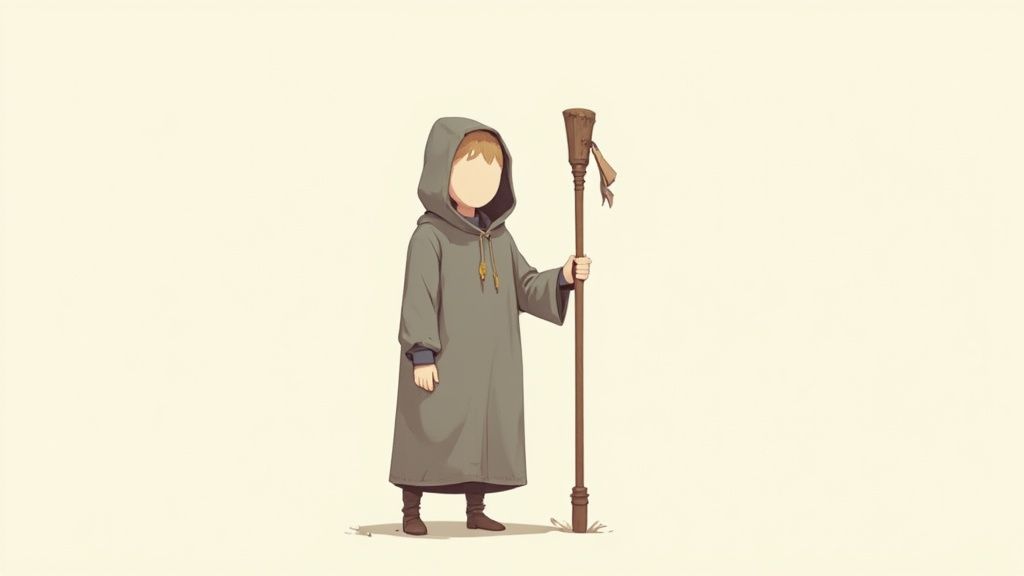
A weapon is never just a line of stats on a character sheet; it is a piece of your character’s soul. It hints at their past, their values, and the journey they are on. Choosing a simple weapon, more than any other, is a brilliant chance to ground your hero in the world and give them a real, tangible link to their history.
This unassuming item can be the very key that unlocks a deeper understanding of who they are. It is what transforms a collection of numbers into a living, breathing person. When you give your weapon a story, it ceases to be a mere tool and becomes a symbol of their identity.
Let us step back from the damage dice for a moment. Why does your character carry this specific weapon? A generic club is fine, but a club carved from the branch of a lightning-scorched oak in your Druid’s sacred grove? That is something else entirely. It has a history, a purpose.
This is the sort of detail that turns a good game into a truly unforgettable story. It creates moments of real connection, both for you and for everyone else around the table. To help you build that connection, ask yourself a few questions about your character's weapon:
This narrative depth is a cornerstone of great roleplaying. It’s a design principle that inspires countless indie games, and it’s a spirit we are channelling into our own card game, TerraClash, where every card tells a small part of a much larger tale.
If you seek a creative spark, allow me to offer a few narrative hooks to get you started. These ideas can help you anchor your character's identity to the simple weapon they carry day in and day out.
A hero's journey is written not in ink, but in the scratches and scars upon their chosen weapon. Each mark tells a tale of hardship, triumph, and the will to endure against the encroaching darkness.
For instance, your Sorcerer might carry a quarterstaff that isn’t just a stick of wood, but a dormant seed from a magical tree, humming with untapped arcane power. Maybe your Fighter wields a handaxe that was once their father’s wood-chopping axe, its worn handle a constant reminder of the simple life they left behind.
A Cleric's mace could be blessed by their temple, its head shaped into the holy symbol of their god. In their hands, it’s not just for crushing skulls, but a conduit for their faith. When you begin building these layers, you will find your character’s gear becomes as much a part of them as their skills and flaws. If you wish to dive deeper into this, our guide on how to make a Dungeons and Dragons character has plenty more tips for crafting a memorable hero.
You see it everywhere, do you not? The spear, the club, the trusty dagger – these are not just D&D staples. They are the common tongue of fantasy adventure, spoken in countless other worlds. Whether you navigate the bleak, haunted corridors of Mörk Borg or forge a heroic path in Pathfinder, the idea of a hero starting with the most basic gear is a powerful and familiar one.
This shared starting point is a cornerstone of storytelling. It’s that classic image of an adventurer stepping into the world with little more than their wits and a simple, reliable weapon. That's a spirit we've poured into TerraClash, our own card game for ages 12 and up. In our world, much like in D&D, every legend starts with fundamental tools, a humble origin story waiting to unfold. It’s a concept that unites players and creators, from the latest Kickstarter passion project to the most established tabletop sagas.
It is a strange thought, but this idea of foundational, accessible gear even has a dark echo in our own world. Beyond the gaming table, the simplest tools can often have the biggest impact. If you look at official UK statistics, you'll see that basic weapons like knives and blunt instruments are involved in a significant number of real-world offences. In fact, knife-related crimes alone make up around 45% of all incidents involving a weapon. You can discover more about these findings from the ONS.
Across every story, in every world, the journey from novice to master begins with a single, simple choice. The weapon is merely the first word in a much larger epic, waiting to be written by the hero who wields it.
When you breathe life into your own adventurer, it is worth thinking about how their gear shapes who they are. Digging into the principles of game character design, even for video games, can grant you fantastic ideas. It is a great reminder that whether it’s a trusty handaxe or a beginner’s deck of cards, the tools we start with often define the legends we become.
Even veteran players sometimes scratch their heads over the basics. Let us clear up some of the most common questions that arise at the table about D&D simple weapons, ensuring you have the right tool for the job.
Not quite. It all comes down to what your character class trained with, which D&D calls 'proficiencies'. Most classes, like your sturdy Fighters and devout Clerics, are proficient with the entire list of simple weapons right out of the gate. Spellcasters, however, often have a much shorter list – a Wizard, for instance, might only know how to handle a dagger or a quarterstaff.
Trying to use a weapon you are not proficient with is a poor choice. You do not get to add your proficiency bonus to the attack roll, which makes hitting anything a true long shot. It turns what should be a solid strike into a desperate swing and a miss.
You might think so, but you would be mistaken! While martial weapons may have a larger damage die on paper, the real strength of a simple weapon lies in its clever properties and sheer practicality. They are usually cheaper, lighter, and often have a trick up their sleeve.
The best weapon isn't always the one that hits the hardest. It's the one that gives you the most options. A simple tool in the hands of a clever player can accomplish what brute force never could.
Take the dagger, for example. Its finesse property is a godsend for any Dexterity-based character like a Rogue. Or consider the light property on a handaxe, which is absolutely essential if you wish to get into two-weapon fighting. For many character builds, a simple weapon isn't just a good choice; it's the best choice.
Absolutely! The 'simple' tag is all about the training needed to use it, not its potential for power. Any humble club, mace, or light crossbow can be enchanted with seriously potent magic.
That starting dagger could become a trusty +1 Dagger, a deadly Dagger of Venom, or even a legendary artefact of immense power. There is nothing quite like finding a magical version of your character's first-ever weapon; it is one of those deeply satisfying moments that make a campaign unforgettable.
This idea of building something incredible from simple beginnings is a philosophy we truly believe in here at TerraClash. Our own deck-building adventure, which is launching on Kickstarter very soon, is all about that very concept—every legend starts with basic tools and smart choices. To follow our quest and get ready for your own, come say hello at https://terraclash.co.uk. For more on great indie board games and Kickstarter projects, keep an eye on our future posts.