Hark, adventurer, and draw near. You stand upon the threshold of a new world, a realm woven from myth and magic. Your first step is not into a dungeon, nor a dragon's lair, but into the forge of creation itself. For before you can face the darkness, you must craft the hero who will carry the light. This is more than a game of numbers and rules; it is the art of breathing life into a legend. This is where the true magic of Dungeons & Dragons begins.
Before a single die rattles upon the table, before a quest is whispered in a tavern's shadowed corner, you must decide who answers the call. The choices you make now—from ancient lineage to a tragic past—will carve the runes that shape every tale to come. This is the very bedrock of your saga.
You are not alone in this grand endeavor. The world of tabletop gaming has seen a renaissance, with whispers suggesting that 13.7 million souls now actively adventure in the realms of D&D. Here in the UK, we've felt this surge, a testament to the 5th Edition's power to unite storytellers.
Heed my words, for they are not rigid laws, but the counsel of a Dungeon Master who has watched countless heroes rise and fall. I am here to guide your hand as you turn a fleeting concept into a champion whose deeds will be sung in taverns for years to come.
The journey begins with a spark of imagination. Perhaps you see...
Know this: the creative ritual is a game in itself—your first, solitary quest. The power to weave game mechanics and a compelling narrative is a sorcery that makes every session an unforgettable epic.
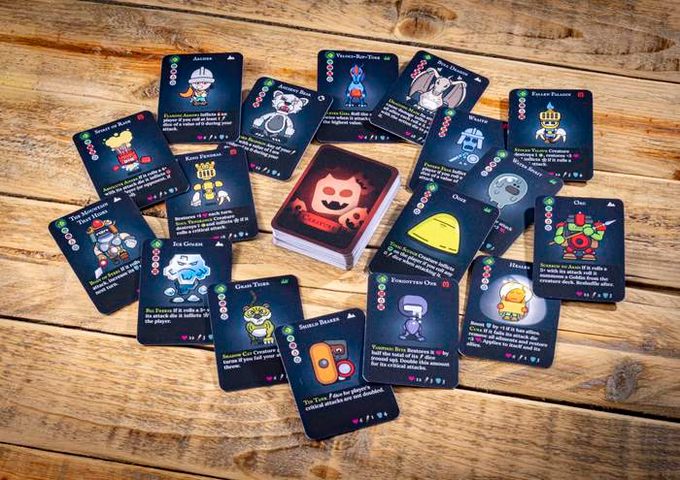
This skill is a potent one, a creative spark that can ignite wonders in other realms. The same imagination used here can forge a winning strategy in a myriad of board games or build a formidable deck in card games like TerraClash. Every choice tells a story, every card a new chapter.
If you are but a fledgling adventurer, our comprehensive guide on D&D for beginners shall be your guiding star.
Every great hero's saga begins with two questions of destiny: Who are you, and what do you do? This is the heart of creation, where we divine your hero’s lineage—their Race—and their life's purpose—their Class. Let us shape this raw potential into a legend.
First, let us speak of Race. This is no mere list in a tome. It is your character's heritage, a deep well of culture, biology, and perspective that colours their every action. A Dragonborn carries an innate draconic pride, a world away from a Halfling's boundless, cheerful curiosity. This choice is not just about power; it is about choosing a worldview forged across generations.
Once their roots are known, we must determine what they do. This is their Class, the lens through which they view the world and its dangers. Are they a devout Paladin, bound by a sacred oath that is both their greatest strength and heaviest burden? A cunning Rogue, thriving in the shadowed alleys of a sprawling city? Or a studious Wizard, unlocking cosmic secrets one dusty scroll at a time? The path they walk defines the skills they will master.
True magic sparks when lineage and calling unite. Some pairings are legendary for good reason—their natural synergy feels right, making them powerful and intuitive to command. A stout Hill Dwarf Cleric is the very archetype of a bastion of faith and resilience, their natural toughness a perfect complement to their divine duties.
But do not feel chained to the expected paths. The most unforgettable heroes are often forged in the fires of contradiction. Imagine a Tiefling Bard, born of a fiendish bloodline but blessed with the power to inspire and create breathtaking beauty. Theirs is a story of inherent conflict, of battling prejudice and inner darkness to bring light to the world. In this moment, a character sheet transcends mere numbers and becomes a compelling chronicle.
The most interesting heroes are often born from contrast. An Orc Barbarian is expected, but an Orc Wizard who rejects their clan's brutal path to pursue forbidden knowledge? Now that is the beginning of a truly great story.
The D&D community is broader and more diverse than ever, a wonderful explosion of creative concepts. Here in the UK, the community reflects this, with players from all walks of life. While the hobby was historically male-dominated, recent data shows that around 39% of players are female and 1% identify as non-binary or other genders. With nearly half of all players being millennials and a third being Gen Z, we're seeing everything from classic knights to experimental heroes that upend fantasy tradition. You can discover more insights about D&D's evolving player community to see just how much the game has grown.
This infographic reveals the six core ability scores—the raw firmament of any character's potential. This is a central concept not just for D&D, but for countless tabletop games.
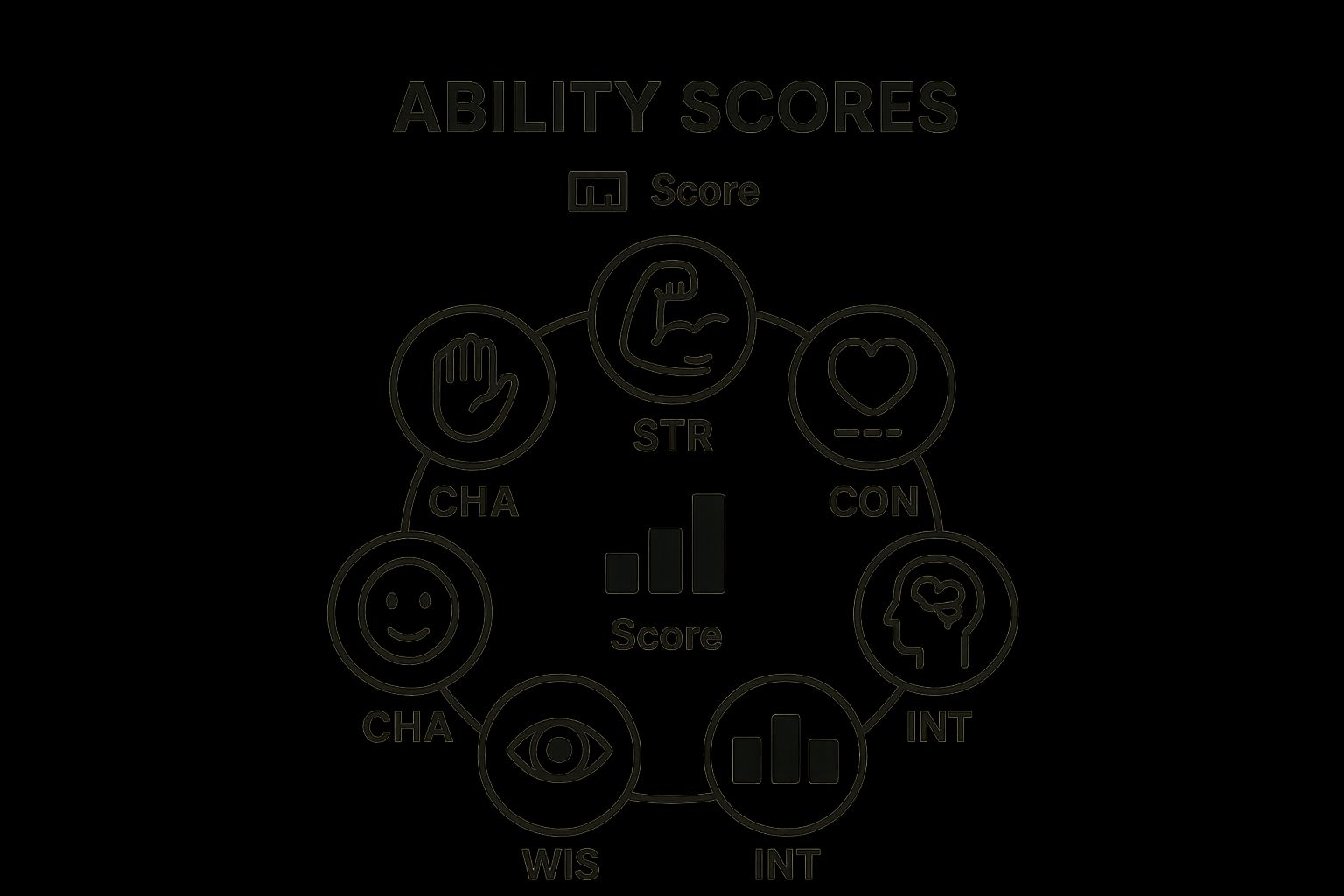
These scores—Strength, Dexterity, Constitution, Intelligence, Wisdom, and Charisma—are the mechanical foundation upon which your Race and Class abilities are built.
Do you feel the weight of infinite possibility? Fear not. I have prepared a table of iconic pairings to light your way. Think of these as well-trodden paths, proven effective and enjoyable for generations of adventurers—a perfect launchpad for your own unique journey.
| Race | Class | Thematic Synergy |
|---|---|---|
| Mountain Dwarf | Fighter | The quintessential warrior. Their natural hardiness and affinity for armour make them an unshakeable frontline combatant. |
| High Elf | Wizard | With an inherent connection to the arcane and a bonus to Intelligence, High Elves are born to master the complexities of magic. |
| Lightfoot Halfling | Rogue | Naturally stealthy and nimble, these small folk excel at moving unseen and talking their way out of (or into) trouble. |
| Human | Any Class | Humans are the versatile heart of many fantasy worlds. Their adaptability means they can excel in any role they choose to pursue. |
This process of choosing a lineage and a calling is a foundational skill in the grand tradition of tabletop gaming. Whether you're building a hero for a sprawling D&D campaign or choosing a faction in a different game, understanding how identity and function intertwine is the key to creating a character you’ll love to command.
You have chosen your hero's race and class—the great, defining strokes are on the canvas. Now, we fill in the details, granting them raw talent and the life experiences that forged them. We speak of their Ability Scores and their Background. Here, we uncover their strengths, and perhaps, a few old scars.
Every adventurer is built upon six pillars: Strength, Dexterity, Constitution, Intelligence, Wisdom, and Charisma. See these not as mere numbers, but as the mechanical soul of your hero. They determine everything from the might of their greatsword's swing to their ease in deceiving a suspicious guard.
Consider these scores a summary of your character’s innate gifts. High Strength is not just for Barbarians; it could belong to a city blacksmith with arms of steel forged by years at the anvil. High Wisdom is not exclusive to Clerics; it represents a keen awareness, perfect for a sharp-eyed ranger or a street-smart rogue who can read a room in a heartbeat.
How, then, do you obtain these fated numbers? You can leave it to destiny and roll the dice, letting the thrill of chance shape your hero. It is an exciting path, but be prepared for any outcome!
For a more balanced fate, use the Standard Array (15, 14, 13, 12, 10, 8). This grants a competent, well-rounded set of scores to assign as you see fit, ensuring your hero is adept without calamitous weakness.
Once the numbers are known, the true artistry begins: assigning them. A Fighter will crave high Strength or Dexterity to land their blows, while a Wizard will pour their best score into Intelligence. Should you wish to delve deeper into the deadly dance of combat, our guide on D&D martial weapons reveals how physical stats decide victory.
With their talents defined, we must ask a crucial question: who were they before the adventure began? This is their Background, a goldmine for roleplaying. It grants your character skills, equipment, and vital story hooks that make them feel real.
Were they a lonely Outlander, more at home in the silent wilds than a city's chaos? An Acolyte, raised in a cloistered temple, now grappling with faith in a morally grey world? Or a cunning Charlatan, living by their wits, always one step ahead of the last person they swindled?
Your character’s Background is the most potent tool for binding them to the world. It gives your Dungeon Master threads to weave into the campaign’s tapestry, creating personal stakes and true drama.
I once guided a player who chose the 'Sailor' background for their rogue. This simple choice blossomed into a grand seafaring saga, as the party hunted the treacherous captain who had marooned the rogue years before. A tiny detail became an unforgettable quest.
Your background also grants you Ideals, Bonds, and Flaws—your roleplaying signposts:
By setting their abilities and forging their past, you have transformed a concept into a person with potential and a history, ready to step onto the world stage.
A hero has been forged, their past etched into their soul. But an adventurer is naught without their tools. This is no mere shopping list; it is the choosing of extensions of your character's very being. The equipment they carry tells a story as powerful as their race or class.
Let us look beyond the basic gear and delve into the narrative weight of each item. A warrior's longsword—is it a gleaming, balanced gift from a noble patron? Or a battered, chipped greataxe, passed down through generations, each notch a tale of a fallen ancestor?
A simple choice, you see, breathes life into your creation, giving them a tangible connection to the world.
Every piece of gear should tell part of their story. A Wizard’s spellbook—is it a pristine, leather-bound tome filled with elegant script? This speaks of careful study. Or is it a chaotic mess of scorched pages and frantic notes? This hints at a desperate apprenticeship.
Apply this same thinking to their arms and armour.
Remember this, storyteller: a piece of equipment is never just an item. It is a memory, a burden, a promise, or a trophy. Infuse your choices with purpose, and your character will feel grounded and real.
This ancient practice of imbuing objects with meaning is a cornerstone of great fantasy. It elevates your roleplaying and deepens your appreciation for strategy in other games. In a deckbuilding game, such as the indie project TerraClash, every card in your hand represents a tool or an ally with its own story, turning each draw into a new narrative opportunity.
Beyond the swords and shields, it is often the small items that speak volumes. Every character begins with a trinket, a curiosity with no mechanical value but overflowing with roleplaying potential.
Perhaps it is a silver locket with a portrait of a lost love, a petrified mouse, or a shard of obsidian that hums with otherworldly energy when none are looking. These are the hooks that transform a generic character sheet into a living, breathing person.
Do not be afraid to add your own touches. A well-worn set of playing cards from a life as a gambler, or a pressed flower from a loved one's garden. These are the finishing strokes that make your hero complete, ready to face the dungeon's depths. Such preparation is essential, much like that laid out in the official Dungeons and Dragons Roleplaying Game Starter Set.
The foundations are laid. Numbers sorted, gear chosen, path decided. Now for the most crucial rite—granting your character a soul. Here we step away from mechanics and delve into the heart of your hero. It is the art of roleplaying that turns a sheet of paper into a person.
This is the true sorcery of D&D. It is the secret that transforms any game, from a sprawling campaign to a strategic match in a deckbuilder like the indie title, TerraClash, from a mere pastime into a shared saga. This is the moment your creation learns to speak, to hope, and to fear.
Every great character is pulled by three forces: their Ideals, Bonds, and Flaws. These are not mere boxes to tick; they are your character's moral compass, their emotional anchor, and their Achilles' heel. When you are lost, turn to these.
Ideals: What does your character believe in, no matter the cost? Is it Honour, the idea that their word is their bond? Or Greed, the belief that coin is the only true measure of worth? An ideal is the hill they will die on.
Bonds: These are the people, places, or memories that mean everything. The grizzled sergeant who taught them to fight, the small village they swore to protect, or the memory of a fallen sibling whose death they must avenge. A bond is their reason to fight when all hope seems lost.
Flaws: This is the chink in their armour. Perhaps they are arrogant, convinced they are the smartest in any room. Maybe they have a crippling fear of spiders, or a weakness for a good vintage that has landed them in trouble more than once. Flaws make a hero real.
A character's true nature is not shown in victory, but in failure. A good flaw is not a penalty; it is your best roleplaying tool for creating drama, tension, and unforgettable moments.
You need not be a master thespian to grant your hero a personality. It is in the small details. How do they carry themselves? Do they stride confidently into a tavern, or hug the walls, watching the exits?
What are their nervous habits? Do they polish an old coin when thinking? Tap their foot impatiently while the wizard ponders a spell? These quirks add layers that make them feel alive.
Think on their motivations beyond "I seek adventure." Why did they truly leave home?
This deep dive into character has a rich history. The UK has played a huge part in D&D culture through its conventions and clubs, especially since 5th Edition's rise. Today, a fantastic community of UK streamers and creators constantly showcases new character ideas, keeping the scene fresh. You can explore the enduring legacy of D&D's storytelling power to see how far the game has come.
When you answer these questions, you are not just making a character. You are creating a person. And when that person steps into the world, the story you tell together will be one for the ages.
Even after years behind the screen, I know that staring at a blank character sheet can be daunting. Bringing a new hero to life is a thrilling rite, but one filled with questions. I have heard these same uncertainties whispered around my table, from fresh-faced novices to grizzled veterans. Let us shed light on these common quandaries.
This is the number one fear I hear. A misplaced point, a skill that feels useless—it feels so permanent, like a mistake carved in stone.
Banish the thought. It is not.
Consider your first few sessions a shakedown cruise for your hero. It is a chance to see how they feel in the living world. Most Dungeon Masters are flexible and will allow you to tweak things. Realise your Fighter is more of a nimble duellist than a heavy hitter? A quick parley with your DM can likely get those Strength and Dexterity scores swapped.
Your character sheet is a living document, not a sacred text. The goal is for all to share in a grand tale. Keep the lines of communication open.
Ah, the pressure to arrive with a multi-page epic detailing every friend, foe, and childhood pet.
My counsel? Do not.
A simple, strong concept is far more powerful. You need a hook, not a novel. A single, compelling sentence is often enough to begin.
These are potent because they leave room for discovery. The best parts of your character's story are those you haven’t written yet—they will unfold at the table, with your companions. Leaving blank spaces allows your DM to weave your past into the main adventure, making it your story.
Paladin, Rogue, Sorcerer, Druid… the choices can overwhelm. It is easy to get lost seeking the most powerful or "optimal" path.
I urge you, reframe the question.
Do not ask what the "best" class is. Ask yourself what kind of hero you want to be. The right class is the one that excites your imagination.
A character you are passionate about will always be more engaging than one picked for stats alone. Read the class descriptions. Which one makes you lean forward? Does the idea of a stoic Druid guarding the wilds call to you? Or does the thought of a silver-tongued Bard changing the world with a song spark your soul? Chase that feeling.
With millions playing, it is fair to wonder if you can still create someone truly one-of-a-kind. The answer is a resounding yes.
Your character's uniqueness comes not from an obscure race/class combination, but from you.
It is in the choices you make, session after session. It is how you describe your spells, the way you speak to the town guard, the bonds you forge with other characters. Two Elven Rangers in the same party can be polar opposites. One, a grim hunter haunted by their past; the other, a cheerful optimist who knows a story for every star.
They are unique because of their personality, their goals, and the way you choose to bring them to life. Your character is unique because you are the one playing them.
This sacred process—blending the numbers on the page with the story in your mind—is the soul of tabletop gaming. It is a skill that transcends a single game, whether you are crafting a deck for a new card game or simply telling a better story. If this kind of creative challenge ignites your spirit, keep an eye on TerraClash. We are preparing to launch a Kickstarter for an adventure where new legends, suitable for ages 12 and up, can be forged. Sharpen your wits, for a new realm awaits you at https://terraclash.co.uk. For more tales from the indie tabletop world, explore campaigns like Gloomhaven and Frosthaven.