Hark, adventurer, and listen well. To wield a weapon in each hand is to channel an iconic image of fantasy, and for good reason. It is a fighting style that permits your champion to make an extra attack with their off-hand weapon, but it demands you spend your Bonus Action to do so. This path trades the single, crushing blow of a great weapon for a flurry of quicker strikes, making it a wondrous choice for any agile, offensive-minded warrior.
Picture it in your mind's eye: the whirling dervish whose strikes are a blur of steel, or the quiet rogue whose twin daggers flash from the shadows. That very image is the siren's call that draws so many of us to this playstyle. It is a vision that captures the imagination, promising fluid motion and a relentless assault.
Deciding to fight with two weapons is a declaration of intent. You are choosing speed and opportunism over raw, brute force. Every turn becomes a tactical dance of positioning and timing, as you seek the perfect moment to land not one, but two decisive blows. This kind of tactical depth is one of the true joys of Dungeons & Dragons, letting you truly define how your hero fights. It's also a big reason why so many flock to the hobby; some scrolls suggest 18-22% of characters in UK campaigns choose to walk the dual wielding 5e path. You can find more interesting lore about the D&D community's preferences over at dungeonvault.com.
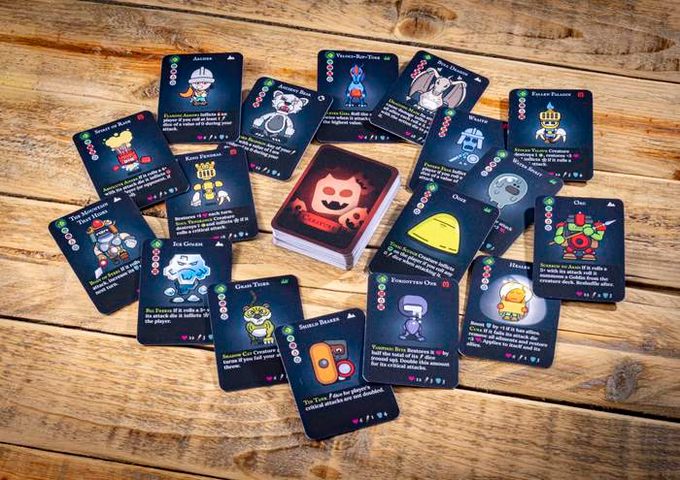
This sacred principle of meaningful strategic choice is the lifeblood of any great tabletop game. Every decision you make—from seizing that second shortsword to playing a specific card from your hand—shapes your saga and your path to victory. It's a thrill that translates across many different realms, including the clever strategies you'll find in new adventures like the deckbuilder, TerraClash, where your hand of cards effectively becomes your twin-bladed assault. Whether you're a neophyte just starting out or a seasoned veteran, the principles of tactical combat are a universal language. If you're just beginning your quest, our guide on D&D for beginners can help you take those first crucial steps.
Before you can unleash that whirlwind of steel you've been dreaming of, you must learn the fundamentals. Think of this as the basic footwork for the deadly dance of two-bladed combat. The core of dual wielding in 5e is simple in its essence, but it is a rule that dictates the entire rhythm of your turn.
At its heart, it all comes down to one crucial weapon property: Light. To even begin dual wielding, you need a light melee weapon in each hand. We speak of shortswords, scimitars, daggers – weapons of that ilk. When you take the Attack action and swing with one of them, the fates open up a special option for you.
You may then use your Bonus Action to make a single attack with the weapon in your other hand. This is the key to unlocking that second strike and turning a single hit into a quick one-two combo. But, and this is a grand 'but' that catches many new players unawares, there is a catch.
Here’s where the trade-off reveals itself. When you make that Bonus Action attack with your second weapon, you do not add your ability modifier to the damage roll. That is the default rule. So, if you possess a Dexterity modifier of +3, only your main attack receives that extra punch. Your off-hand strike is but the raw damage from the weapon's die.
In short: Your main hand hits with skill and force (weapon die + ability modifier), while your off-hand hits with sheer opportunism (weapon die only). To grasp this is the first true step to mastering the style.
This infographic captures the essence of a dual-wielding adventurer, poised and ready to unleash this exact sequence of attacks.
It's all about that readiness, being prepared to follow up your main attack with that crucial bonus action in one fluid motion. This idea of managing your actions with care is a core tactical principle you'll see woven into the fabric of everything from D&D combat to complex board games.
To make this even clearer, here is a quick reference table breaking down the basics.
| Requirement | Action Cost | Off-Hand Attack Damage |
|---|---|---|
| Wield a Light melee weapon in each hand. | 1 Action to attack with the first weapon. | Weapon's damage die only. |
| Take the Attack action on your turn. | 1 Bonus Action to attack with the second weapon. | No ability modifier added by default. |
As you can see, it’s a straightforward exchange: you spend your Bonus Action to gain a second, slightly less powerful, attack.
The 'Light' property is your entry ticket, but the armoury has plenty to offer. A matched pair of shortswords or scimitars are popular, reliable choices. Some might prefer the brutal feel of twin handaxes, while others might go for sickles just for the flavour. Knowing your tools is vital, so it’s worth taking the time to explore the full range of dnd martial weapons to find the perfect combination for your character. After all, choosing your gear is just as important as learning the rules that govern it.
To grasp the basic rules for two-weapon fighting is one thing, but that is merely the start of your journey. Raw talent will see you through a few early scrapes, to be sure, but legends are forged through dedicated training. If you wish to turn that flurry of attacks from a neat trick into a deadly art form, you must commit to specialised Feats and Fighting Styles.
Think of these choices as defining moments for your character. This is where a rough-and-tumble brawler learns proper technique, or a quick skirmisher hones their instincts to a razor's edge.

For martial classes like the Fighter, Ranger, or Paladin, the first true taste of dual-wielding mastery comes from embracing the Two-Weapon Fighting style. This one choice, usually made at the dawn of your adventuring career, completely changes the game by shattering the greatest drawback of dual wielding.
Once you have this fighting style, you can finally add your ability modifier to the damage of your off-hand attack. It sounds simple, but the difference is immense. All of a sudden, your second strike lands with the same deadly force as your first, essentially doubling your damage output in the early levels.
This style turns your bonus action attack from a minor poke into a reliable, powerful blow. For any warrior serious about making two weapons their signature, this is the most important choice you'll make.
Picking a specialisation like this is a massive part of building a character. If you're starting from scratch with a dual wielder in mind, our guide on how to make a Dungeons and Dragons character can help you bring that concept to life. It’s all about defining your strategy from the outset.
While the fighting style sharpens the technique you already have, the Dual Wielder feat blows the doors to possibility wide open. Taking this feat is a statement: you are not just dabbling anymore; you are a true specialist. It grants you three incredible boons:
This feat introduces a whole new level of tactical choice, unlocking more powerful weapon combinations and adding a much-needed defensive edge. For anyone who wishes to become an unstoppable whirlwind of steel, combining the Two-Weapon Fighting style with the Dual Wielder feat is the path to greatness.
While any adventurer can pick up a second blade, some classes are simply built differently. For them, the rhythm of a two-pronged assault feels like second nature. They do not just use two weapons; they turn it into a devastating art form.
Consider the Rogue, a master of shadows and opportunity. Dual wielding for a Rogue is not truly about doing more damage outright—it is about creating more chances. Their entire strategy revolves around landing that one perfect hit to deliver a massive Sneak Attack. Wielding two weapons literally doubles their odds of making that happen each turn. If the first dagger fails to find its mark, the second is already on its way, providing that crucial backup plan to land a crippling blow.
This is a popular build for a reason. Rogues make up about 16% of characters in UK campaigns, and you can wager a good number of them are rocking two daggers for that tactical reliability. If you're curious about what heroes people are bringing to the table, you can find some fascinating community stats over on enworld.org.
Now let us venture into the wilds and speak of the Ranger. As patient hunters and lethal skirmishers, dual wielding fits their style perfectly, letting them stack multiple sources of damage on their attacks. They do not just hit you with steel; they hit you with the fury of the hunt itself.
Many Ranger subclasses add a little extra punch to each of their hits, which makes a second attack all the more valuable.
For a Ranger, each swing isn't just another roll of the dice. It's another opportunity to unleash one of their powerful class features.
A Ranger with two weapons is like a storm brewing in the wilderness—not a single lightning strike, but a relentless downpour of attacks that overwhelms their enemy from every angle.
Finally, we come to the Fighter, the undisputed master of martial combat. Others might dabble in the art of war, but for the Fighter, it is a way of life. No other class can dedicate themselves so completely to the path of two blades and achieve such a terrifying level of skill.
It all starts at level one. They can immediately pick up the Two-Weapon Fighting style, erasing the main drawback and making their off-hand attacks just as deadly as their main ones. This is a hugely popular choice, with around 30% of Fighters in UK campaigns taking this style right out of the gate.
But where they truly become a force of nature is with Action Surge and their multiple Extra Attacks. As they ascend in level, a Fighter can unleash a truly dizzying number of attacks in a single turn. A high-level, dual-wielding Fighter who unleashes their Action Surge becomes a literal whirlwind of steel—a blur of death that can cut down the mightiest of foes before they even have a chance to react.
Any grizzled sellsword will tell you that a battle is won in the mind long before steel is ever drawn. Deciding to fight with a weapon in each hand is not just about looking impressive or getting an extra attack; it is a serious commitment to mastering your action economy—that precious, limited set of things you can do each turn. Consider this your war council, where we weigh the true costs of this flashy fighting style.

When you take up that second weapon, you immediately give up powerful alternatives. The most obvious sacrifice is your defence. By choosing not to carry a shield, you bid farewell to a reliable +2 bonus to your Armour Class. That may not sound like much, but in the thick of battle, it is often the difference between an enemy's blade scraping harmlessly off your armour and a nasty, life-threatening wound. Your offence must become your best defence.
You are also trading away the sheer, brute force of a heavy two-handed weapon. The barbarian with a greataxe is putting all their faith in one devastating swing. You, on the other hand, are spreading your damage across several smaller, quicker strikes. It creates a completely different combat rhythm—one that is often more reliable, but lacks that one, glorious moment where you cleave a monster in two.
The challenges do not stop at attack and defence. Having both hands full at all times creates subtle problems that can trip you up at the worst possible moment. How are you meant to cast a spell that needs a free hand for somatic components when you're gripping two hilts? How quickly can you grab that healing potion from your belt or yank open a door while a goblin bears down on you?
A dual wielder must think a step ahead of everyone else. You are constantly weighing how your choice of weapons impacts your ability to interact with the world. Sometimes, the smartest play is to sheathe one of your blades to free up a hand for something more important.
This is the kind of deep, tactical thinking that makes tabletop RPGs so rewarding. It is not just about what your character can do, but what they cannot do because of the choices they've made. It reminds one of the tense decisions in a deckbuilding game, where playing one great card means you cannot play another. Properly preparing for a fight takes more than just good stats; using a solid encounter builder for 5e to test your build against different threats can reveal these weaknesses before they get you killed.
And this is not just theory. In competitive events across the UK, we have seen that roughly 22% of winning character builds use dual wielding in some capacity, which proves it can be incredibly effective in the hands of a clever player. The path of two blades demands a sharp mind to match its sharp steel.
Right then, you have the rules, you have seen the feats, and you have weighed the options. The art of dual wielding in 5e is now in your hands, ready for you to shape into a fighting style that is all your own. This is what roleplaying is all about, is it not? Taking the mechanics and forging a hero worthy of the bards' songs.
Now it's time to put it all into practice. Take what you have learned here, bring it to your next session, and perhaps even surprise your Dungeon Master with your newfound expertise. Let those twin blades become as much a part of your character's story as their name.
And when you are ready for a new challenge, remember that D&D is but one of many, many worlds waiting to be discovered. The tabletop gaming universe is vast and constantly growing, with passionate creators bringing fresh ideas to life all the time.
The greatest adventures often begin not with a map, but with a leap of faith into the unknown. Supporting a new game is a chance to be part of its founding story.
Keep an eye on realms like Kickstarter, where you will find designers pouring their hearts into new projects. Becoming a patron of one of these is not just about getting a new game; it's about becoming a part of the community that helps our shared hobby thrive. You get to help bring the next great adventure to life for everyone.
Even after you have mastered the basics, the path of two blades has a few tricky corners. Let us tackle some of the most common questions that arise when players start swinging with both hands.
Absolutely. It is a classic move for a reason!
While the core rule for Two-Weapon Fighting speaks of melee attacks, the Thrown property on a dagger changes the game. It lets you make a ranged weapon attack using the dagger. So, you can use your main Attack action to throw one dagger, and then immediately use your Bonus Action to throw the second one.
Just remember the usual rules still apply: both attacks use your Dexterity, but the off-hand throw does not get your ability modifier added to the damage roll unless you have the Two-Weapon Fighting style.
Technically, yes, but in practice, it is a poor choice. The two styles do not flow well together.
Both a Monk's Martial Arts and a Rogue's Cunning Action use up your Bonus Action. Since your off-hand attack from dual wielding 5e also costs a Bonus Action, you are forced to choose just one each turn. For a Monk, using their Bonus Action for an unarmed strike is almost always the better choice, as it sets up killer abilities like Flurry of Blows.
Think of it as picking a combat philosophy. You can be the twin-bladed warrior, or you can be the fluid, open-handed Monk. Trying to do both at the same time just leads to a clumsy, ineffective dance.
The dream, of course, is to acquire a matched pair of magic weapons, like two +1 Scimitars. This ensures both of your attacks are considered magical, which is crucial for overcoming the resistances of fearsome creatures.
Beyond that, look for items that add a little extra damage on every hit. Because you are making more attacks than most, these effects truly add up. A sword that deals an extra 1d4 poison damage, for example, gives you far more value when you are potentially hitting twice a turn.
The strategic depth you find in perfecting a dual wielding build truly captures the spirit of tactical tabletop gaming. If you love discovering powerful combinations and new strategies, keep TerraClash on your radar. You can explore our world and get ready for a new kind of adventure at https://terraclash.co.uk.